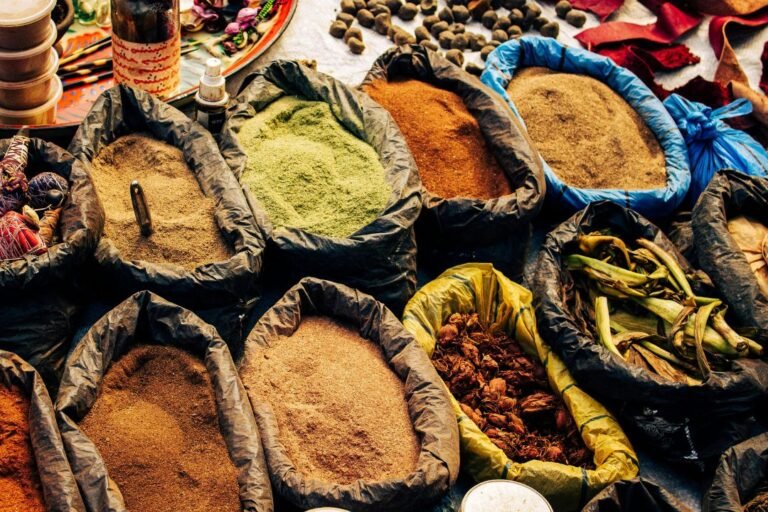
Golden, fragrant, and deeply nourishing, organic ghee is a cornerstone of Ayurvedic wellness. For thousands of years, this clarified butter has been revered in Ayurveda as a food for digestion, vitality, and a clear mind.
In this guide, you’ll discover what makes ghee so special, how to choose high-quality varieties, and simple ways to bring its warmth into daily life: from cooking to self-care rituals.
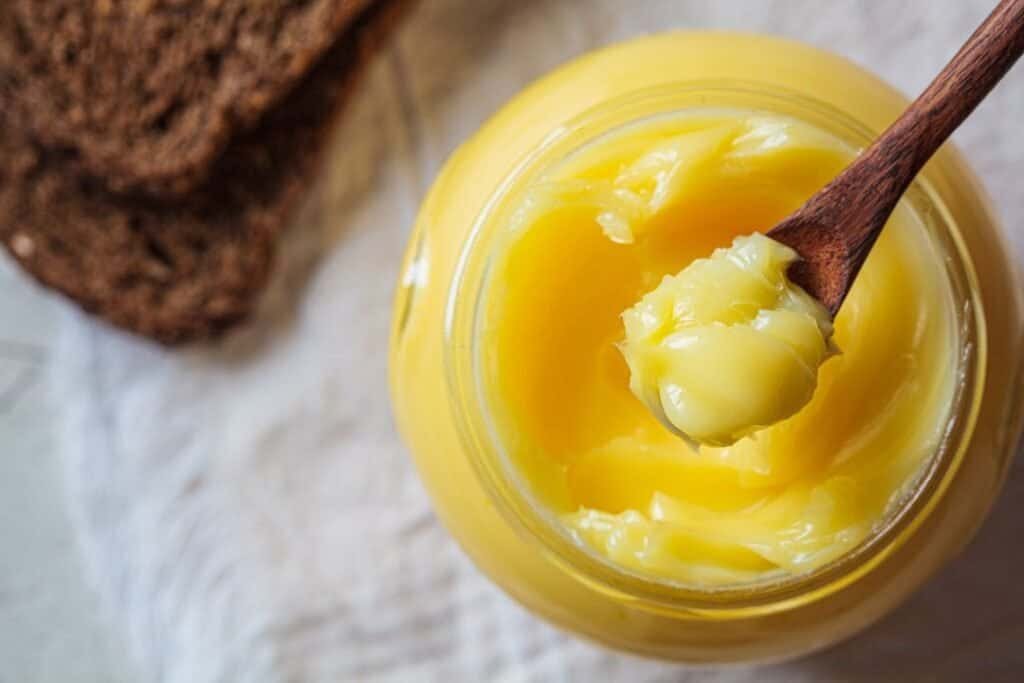
From Ellen: How I Cook With Ghee
I cook with ghee mostly in dal, rice and potatoes, and the one I use is Rani ghee. I make a tarka with it for dals and add it to mashed potatoes. Because it has a high smoke point, I also cook vegetables with it in the oven. It even goes into desserts when I make apple crumble.
What Is Organic Ghee?
Ghee is made by gently simmering butter until the milk solids separate and the water evaporates, leaving behind pure, golden oil. The process enhances flavor, increases shelf life, and concentrates the beneficial fats and nutrients.
Organic ghee comes from the milk of cows raised on chemical-free pastures, without hormones or pesticides. This clean sourcing results in a richer, purer fat that reflects the integrity of natural living.
In Ayurveda, ghee is known as a sattvic food which is one that promotes purity, balance, and mental clarity. It’s often used in daily rituals, herbal preparations, and traditional treatments, celebrated for its grounding and rejuvenating qualities.
The Ayurvedic Benefits of Ghee
“Ghee is considered ojas-building. it nourishes the body’s vital essence and restores inner radiance.”
In Ayurvedic philosophy, ghee is considered an ojas-building food meaning it nourishes the body’s vital energy and resilience. Ayurveda holds that it supports agni, nourishes the tissues, and keeps the mind calm and focused.
In Ayurveda, a little ghee each day is said to bring warmth and stability to the system, especially for those with dry or ungrounded vata tendencies. Ghee is also said to balance pitta with its cooling quality.
In Ayurveda, ghee is traditionally valued for:
- Supporting digestive fire (agni)
- Nourishing the skin
- Enhancing absorption of fat-soluble nutrients
- A calm, steady mind
Organic vs. Conventional Ghee
Not all ghee holds the same vitality. The way cows are raised and fed directly shapes the purity, nutrition, and energetic quality of the ghee. Understanding these distinctions helps you choose what truly nourishes both body and mind.
Conventional Ghee
Often made from butter sourced in industrial settings. Cows may be given hormones, antibiotics, or pesticide-treated feed. That is why many people prefer organic.
Organic Ghee
Comes from cows raised on clean, chemical-free pastures. Their natural diet produces milk with richer, more balanced fats and deeper nutrient content. The result is a pure, sattvic ghee, as Ayurveda would call it.
Grass-Fed Ghee
Made from cows that graze freely on open pasture. This ghee is rich in vitamins A, D, E, and K, and naturally high in omega-3s and CLA. Its golden hue and nutty aroma are signs of vibrant nutrition and authentic quality.
A2 Ghee
Produced from the milk of indigenous breeds such as the Gir cow. Some people prefer it because it contains only the A2 beta-casein protein.
Cultured Ghee
Made from fermented butter, this variety has a deeper, slightly tangy flavor. A deeply nourishing option for those following an Ayurvedic lifestyle.
Sustainability and Integrity
Choosing organic, grass-fed ghee supports ecological balance and animal welfare. These practices preserve soil fertility and biodiversity while honoring traditional methods. Whenever possible, select organic, grass-fed A2 ghee for its purity and vitality.

Crafted from the milk of Gir cows that graze freely on lush green pastures, this A2 ghee embodies the purity and nourishment of traditional Indian Bilona churning. Each batch is slow-cooked to preserve its golden color, nutty aroma, and rich nutrient profile.
Made with care on certified organic farms, it’s naturally lactose-reduced, gluten-free, and rich in fat-soluble vitamins and healthy fats. Packaged in glass jars to preserve freshness, this ghee is a wholesome staple for modern Ayurvedic living.
About this item
• 100% natural A2 ghee made from grass-fed Gir cow milk
• Crafted using the traditional Bilona method for authentic flavor
• Certified organic, non-GMO, kosher, and free from additives
• Lactose-reduced and gluten-free
• Keto and Paleo friendly source of healthy fats
• Contains vitamins A, E, and K, and butyric acid
• Unsalted, pure, and free from artificial colors or preservatives
• Packaged in glass jars to preserve aroma and purity
How to Use Organic Ghee in Daily Life
Cooking with Ghee
Ghee’s high smoke point and rich taste make it one of the most versatile fats in the kitchen. Use it for sautéing vegetables, toasting spices, or spreading on warm toast. A drizzle over rice, lentils, or steamed greens adds both flavor and richness.
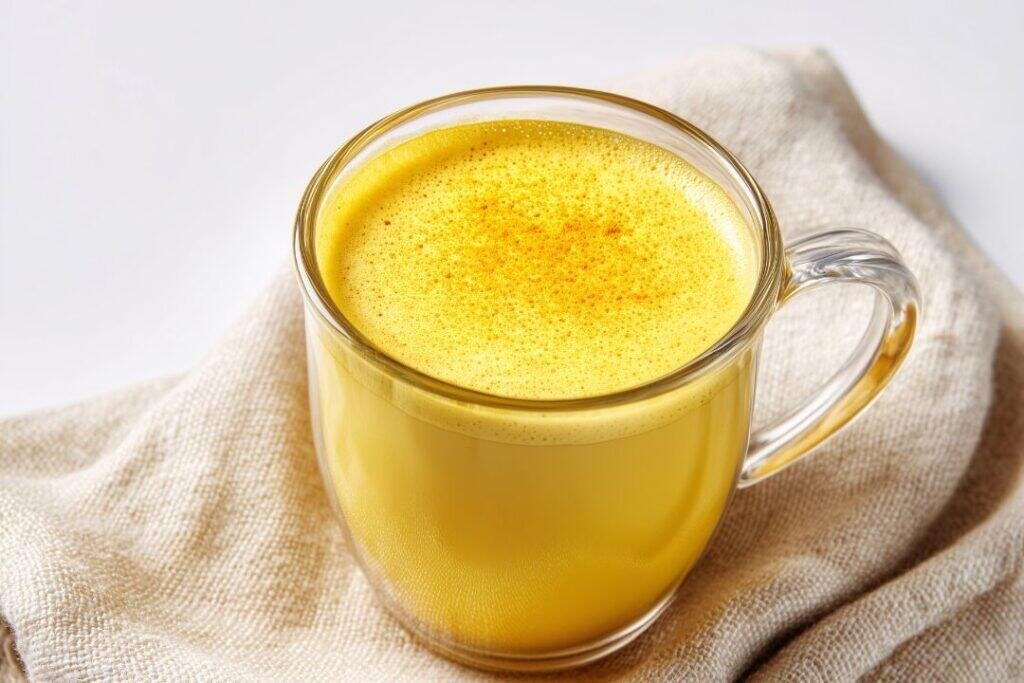
It’s also a wonderful addition to golden milk paste, a blend of turmeric, black pepper, and warming spices. Curcumin, the active compound in turmeric, dissolves in fat, which is one reason ghee is added, and it lends a smooth, comforting texture to the drink.
Ayurvedic Warm Turmeric Golden Milk recipe
This classic Ayurvedic drink blends warming spices with the nourishing richness of ghee. It’s a comforting evening ritual.
Ingredients
- 1 cup milk
- 1 teaspoon organic ghee
- 1 teaspoon golden milk paste (turmeric, black pepper, cinnamon, ginger)
- ½ teaspoon honey or maple syrup (optional)
- Pinch of cardamom or nutmeg for aroma
Instructions
- Warm the milk gently over low heat. Avoid boiling.
- Stir in the golden milk paste until fully dissolved.
- Add the ghee and whisk until melted and incorporated.
- Sweeten lightly with honey or maple syrup if desired.
- Pour into your favorite cup and sprinkle a pinch of cardamom or nutmeg.
- Sip slowly, noticing the warmth, aroma, and smooth texture.
This simple ritual can be enjoyed in the morning for grounding energy or in the evening to relax the body and mind. The ghee adds a silky richness to each sip.
Ghee for Self-Care
In Ayurveda, ghee extends far beyond the plate. It’s used in rituals like oil pulling, nasya (nasal lubrication), and abhyanga (self-massage) with warm oil.
A few drops of warm ghee applied to dry skin or lips can restore softness and glow. Before bed, massaging ghee into the soles of the feet is a traditional, calming ritual.
FAQs on Organic Ghee
Is organic ghee dairy-free?
No. Ghee is made from butter, but the milk solids are removed during clarification, making it very low in lactose and casein.
Can I use ghee for skincare?
Yes. A small amount of warm ghee can soften dry skin or lips. It’s gentle, natural, and deeply moisturizing.
Where to buy ghee?
Look for organic and grass-fed ghee in health food stores, Indian markets, or online Ayurvedic retailers that prioritize ethical sourcing.