
Ayurvedic hair oil has been used for centuries as a sacred part of self-care and wellness. Rooted in the wisdom of Ayurveda, it nourishes the scalp, calms the mind, and brings harmony to body and spirit. In this guide, you’ll learn the Ayurvedic approach to hair health, the benefits of different oils, and how to create your own mindful ritual for strong, radiant hair.
Ayurveda teaches that true beauty reflects inner balance. When the scalp and body are well nourished, hair tends to look its best. By choosing natural oils and applying them with intention, you can reconnect with the simple, restorative rhythm of nature through your daily routine.

From Ellen: How I Use Hair Oil
I don’t oil my hair in the traditional way. Sometimes I put in my Fable & Mane pre-wash oil 30 minutes before showering, then wash it off. I also add a nourishing hair oil to the ends of my hair to avoid dryness.
Some guides, including the steps below, mention leaving oil in overnight. On my course I was advised not to sleep with oil in my hair, as it can leave a feeling of sluggishness from excess Kapha.
If you’re a beginner, I’d start with an after-wash oil like my Fable & Mane MahaMane. You just apply it to nearly dry hair, at the ends, for shine and nourishment.
The Ayurvedic Approach to Hair Health
In Ayurveda, hair is seen as a reflection of overall health and vitality. It grows from within, supported by nourishment, rest, and balanced energy. When the doshas (Vata, Pitta, and Kapha) are in harmony, hair remains strong, glossy, and vibrant.
In Ayurveda, Vata imbalance shows up as dryness and brittle strands, Pitta as heat and sensitivity, and Kapha as oiliness or dullness. Regular hair oiling is the traditional way to bring the scalp back into balance, and it is deeply calming.
The Tradition of Hair Oiling (Snehana)
Ayurvedic hair oiling, or Snehana, means “to nurture” or “to love through oil.” It is both a physical and emotional act of care. Warm oil massaged into the scalp nourishes the roots, softens the hair, and relaxes the mind. Many people find it helps them unwind before sleep.
Oiling can be done daily or a few times a week, depending on your needs. Even a brief, mindful massage before bathing can help ease tension and bring a sense of calm to your day.
Best Ayurvedic Oils for Hair
Sesame Oil for Hair
Sesame oil is one of Ayurveda’s most prized oils for nourishment. It is warming, grounding, and deeply rejuvenating for dry or damaged hair. Rich in antioxidants and healthy fats, it softens dry hair and brings back natural shine. Its warming nature makes it ideal for Vata-dominant individuals or cold seasons.

This light, unrefined sesame oil is a cornerstone of Ayurvedic self-care. Cold-pressed and organic, it deeply nourishes the skin, hair, and body while supporting balance and vitality.
Ideal for daily Abhyanga massage, hair oiling, or gentle cleansing, it provides warmth, hydration, and grounding energy. Sustainably produced and packaged in recyclable containers, it reflects both purity and respect for nature.
About this item
• 100% pure, unrefined organic sesame oil
• Ideal for massage, skin care, and hair nourishment
• Supports soft, radiant, and balanced skin
• Cold-pressed and free from additives
• USDA Certified Organic, vegan, and cruelty-free
Neem Oil for the Scalp
Neem is Ayurveda’s classic bitter, cooling herb, traditionally used in scalp oils for a clean, balanced scalp. It is strong and has a pungent smell, so it is usually blended with lighter oils like sesame or coconut. Its cooling quality makes it a traditional choice for Pitta types.
Bhringraj Oil
Often called the “king of herbs for hair,” Bhringraj is a key ingredient in many traditional Ayurvedic formulations. It is traditionally used for thick, dark, glossy hair. This oil is considered tridoshic, balancing for all doshas, which makes it a good first Ayurvedic hair oil to try.

- IN AYURVEDA, BHRINGARAJ is known as the “king of hair” and is one of the most sought-after herbal hair growth supplement…
- WITH COOLING BHRINGARAJ in a nourishing sesame oil base, this is an excellent hair oil for damaged hair, thanks for its …
- THE PERFECT CHOICE for a rejuvenating head massage, regular application of Bhringaraj Oil to the scalp increases circula…
Coconut Oil with Ayurvedic Herbs
Coconut oil provides cooling nourishment for the scalp and helps retain moisture. It’s ideal for Pitta types or those living in warmer climates. When infused with herbs like amla, brahmi, or hibiscus, it makes a classic Ayurvedic hair oil for shine. It can be used alone or as a base for customized herbal infusions.
Castor Oil
Castor oil is dense, rich, and deeply conditioning. Many people use it for a fuller, glossier look. Because of its heavy texture, it blends well with lighter oils such as sesame or coconut for easier application. It’s a wonderful option for dry scalps or those seeking more volume and fullness.
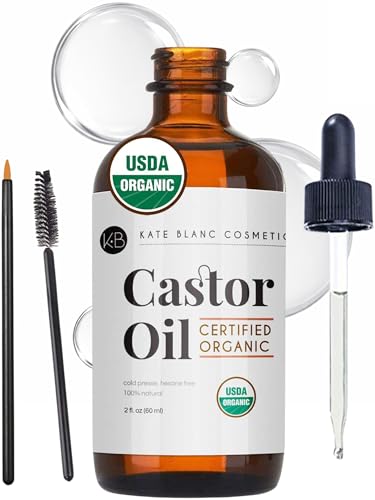
This 100% pure, cold-pressed, USDA-certified organic castor oil nourishes hair, lashes, and skin with rich, natural fatty acids. Known for its deeply hydrating and strengthening properties, it supports fuller-looking brows and lashes while leaving hair soft, smooth, and revitalized.
Perfect for those seeking a natural beauty essential, this multipurpose oil conditions from root to tip and helps restore moisture for a radiant, healthy appearance.
About this item
• 100% pure, cold-pressed, hexane-free castor oil
• Certified organic and safe for all skin and hair types
• Promotes thicker-looking eyelashes and eyebrows
• Deeply nourishes dry, brittle, or damaged hair
• Hydrates and softens rough or uneven skin texture
• Includes dropper for easy, precise application
• Free from additives, synthetic fragrances, and harsh chemicals
• Cruelty-free and backed by Kate Blanc’s satisfaction guarantee
How to Use Ayurvedic Hair Oils
Using Ayurvedic hair oils is a simple ritual that can easily become a soothing part of your self-care routine. Here’s how to do it:
Step-by-Step Hair Oiling Ritual
1. Warm the oil. Place your chosen oil bottle in warm water until it feels gently heated. Warm oil absorbs better and relaxes the scalp.
2. Massage gently. Apply a few tablespoons to the scalp using your fingertips. Massage in circular motions for 5–10 minutes to release tension.
3. Let it rest. Allow the oil to sit for at least 30 minutes, or overnight for deep nourishment. Wrap your hair in a soft towel to retain warmth.
4. Rinse and cleanse. Wash with a mild, natural shampoo. Avoid over-shampooing to keep some natural oils intact.
For most hair types, oiling 1–2 times per week is sufficient. Consistency is more important than quantity: even a small, regular practice can make a difference over time.
Pros and Cons of Ayurvedic Hair Oiling
| Pros | Cons |
|---|---|
| Nourishes the scalp and hair | May feel heavy on fine hair if overused |
| Reduces dryness and frizz | Takes time to apply and rinse properly |
| Adds natural shine | Can cause buildup if not washed regularly |
| Feels relaxing | Requires patience to see results |
Integrating Ayurveda into Modern Hair Care
Even in a busy modern lifestyle, Ayurvedic rituals like hair oiling can bring stillness and grounding. You can create a simple routine: oil your hair before your evening bath, light a candle, and take a few deep breaths. These mindful moments strengthen not only your hair but also your inner calm.
Balance also begins from within. Eating fresh, seasonal foods, staying hydrated, and practicing gentle yoga or pranayama enhance the effects of external care. Ayurveda reminds us that hair thrives when the whole body feels nourished and rested.
FAQs on Ayurvedic Hair Oil
Can Ayurvedic hair oils be used on colored or chemically treated hair?
Yes. Most Ayurvedic oils are gentle and natural. They can help bring softness back to chemically treated hair. Always patch-test before use to ensure compatibility.
How long should the oil stay on the scalp?
Leave the oil on for at least 30 minutes. For deeper nourishment, keep it overnight and wash the next morning with a mild, sulfate-free shampoo.
Which oil should I choose?
Traditionally, bhringraj and castor oil are the choice for thicker-looking hair, while neem and coconut are the choice for a balanced scalp. You can blend small amounts.
How often should I oil my hair in different seasons?
In cooler months, oiling two to three times a week helps prevent dryness. In warmer weather, once a week may be enough, especially with cooling oils like coconut or amla.
A Mindful Ritual for Strong, Healthy Hair
Ayurvedic hair oiling is a quiet act of care and connection. When done with intention, it nourishes the roots of the hair and the roots of the self. A few drops of oil, warmed by your hands, can bring calm and shine that radiate from within.
Begin with one small ritual each week. Over time, you’ll find that your hair becomes softer, stronger, and more vibrant.