
In Ayurveda, caring for the mouth is an essential part of maintaining overall balance. Using coconut oil as mouth rinse is an ancient practice known today as oil pulling. It leaves the mouth feeling clean and fresh and makes a calm start to each morning. This simple daily ritual has gained a lot of attention in recent years.
In this guide, you’ll learn how oil pulling works, the Ayurvedic roots behind it, how to practice it, and why coconut oil is one of the most popular choices. You’ll also discover how other oils such as sesame and neem can be used for oral care, and how this gentle routine can fit naturally into your daily wellness habits.
From Ellen: How I Oil Pull
I swish for about 5 minutes on average, though 20 minutes is better. I try to do it in the morning, but you can do it whenever. Sometimes I swish while I’m working on my laptop.
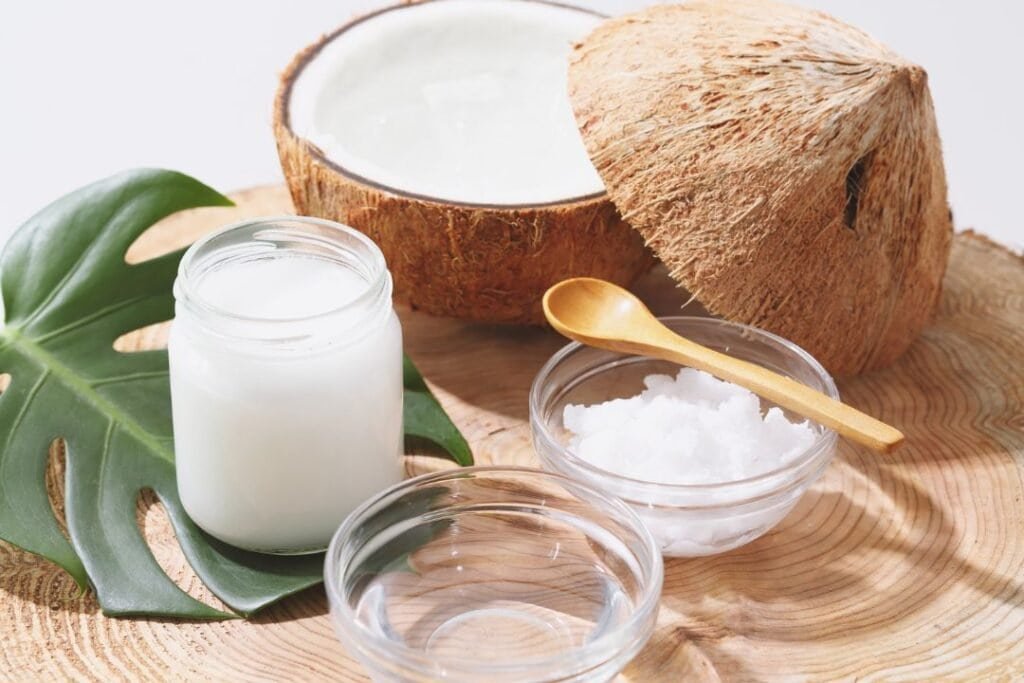
I use coconut oil, mainly because that’s what I have on hand. When I’m done, I spit it into the bin in the kitchen.
The Ayurvedic Roots of Oil Pulling
Oil pulling originates from ancient Ayurvedic practices called Gandusha and Kavala. These methods were described thousands of years ago as part of daily oral care and as a way to clear ama, the residue Ayurveda links to imbalance. Ayurveda views the mouth as a reflection of digestion, so keeping it clean is part of overall balance.
Traditionally, warm oil was used to cleanse and nourish the mouth. Coconut oil is now one of the most popular options, appreciated for its mild taste and natural cooling qualities that align with the Ayurvedic goal of balance and calm.
Why Use Coconut Oil as Mouth Rinse?
Coconut oil has a mild taste, melts quickly in the mouth and is easy to find. It leaves the mouth feeling fresh, without synthetic ingredients. Oil pulling is a ritual alongside brushing and flossing, never a replacement for them.
Unlike alcohol-based mouthwashes that can cause dryness, coconut oil leaves the mouth feeling soft rather than dry. It’s also gentle enough for everyday use, making it an ideal choice for those new to Ayurvedic self-care routines.
Ayurvedic Perspective on Coconut Oil
From an Ayurvedic point of view, coconut oil has a cooling and soothing energy that helps calm excess Pitta dosha. That cooling quality is why Ayurveda often suggests it for Pitta types, who tend to run hot.
How to Practice Oil Pulling with Coconut Oil
Oil pulling is best practiced in the morning before eating or drinking. The process is simple and doesn’t take long to learn.
- Place one tablespoon of cold-pressed, organic coconut oil in your mouth.
- Swish it slowly between the teeth and around the gums for 5 to 20 minutes. Start with a few minutes and extend the time as you become more comfortable.
- Do not swallow the oil.
- Spit the oil into a tissue or bin instead of the sink to prevent clogging.
- Rinse your mouth with warm water and brush your teeth afterward.
Oil pulling can be a calm and mindful start to the morning. When practiced regularly, it helps the mouth feel clean and refreshed while supporting a sense of balance that carries into the day.
Morning Routine Example
For a complete Ayurvedic oral care routine, begin by cleaning the tongue with a tongue cleaner metal to remove surface buildup. Follow with coconut oil pulling, rinse, and brush your teeth with a natural paste. Finish with a glass of warm water. This routine fits naturally into a balanced morning rhythm known in Ayurveda as Dinacharya.

Made from 100% pure copper, this Ayurvedic tongue scraper supports oral hygiene and fresh breath by gently removing residue from the tongue’s surface. Its flexible yet sturdy design ensures a comfortable daily cleanse.
Lightweight and travel-ready, the set includes two scrapers with protective cases for easy use at home or on the go. Crafted for durability, it offers a natural, chemical-free way to enhance your oral care routine.
About this item
• 100% pure copper for effective tongue cleaning
• Removes buildup for fresher breath and better taste
• Ergonomic U-shaped design for easy use
• Includes two scrapers with travel cases
• Durable, eco-friendly, and easy to clean
Comparing Oils: Coconut, Sesame, and Neem
While coconut oil is the most widely used today, Ayurveda recognizes several oils for oral cleansing. Each has its own unique properties that support different needs.
Sesame oil is the classic oil in Ayurvedic texts: warming and grounding, and a traditional choice for Vata types. Neem is strong and bitter, and in Ayurveda it is part of oral care more often as neem twigs or neem toothpaste than as an oil.
Coconut oil remains the most balanced option for general use. Its neutral flavor and cooling energy make it suitable for all seasons and body types.
Comparison Table
| Oil Type | Ayurvedic Quality | Traditional Role | Best For |
|---|---|---|---|
| Coconut Oil | Cooling, soothing | Balances Pitta | Pitta types, warm weather |
| Sesame Oil | Warming, grounding | The classic oil of Ayurvedic texts, balances Vata | Vata types, cold weather |
| Neem Oil | Bitter, cooling | Part of traditional oral care, more often as twigs or toothpaste | Short-term use, Pitta and Kapha types |

Mint Daily Swish combines organic coconut and sesame oils infused with Ayurvedic herbs like amla and haritaki for a refreshing oil pulling experience. This mint-infused blend leaves the mouth feeling clean and fresh.
Inspired by ancient Ayurvedic rituals, it brings the benefits of traditional oil pulling into your modern routine. Sustainably sourced and third-party tested, it offers a pure, plant-based approach to daily oral care.
About this item
• Organic coconut and sesame oil base
• Infused with amla, haritaki, and bibhitaki
• Peppermint and spearmint essential oils for freshness
• Made for daily oil pulling
• USDA Certified Organic and sustainably sourced

This light, unrefined sesame oil is a cornerstone of Ayurvedic self-care. Cold-pressed and organic, it deeply nourishes the skin, hair, and body while supporting balance and vitality.
Ideal for daily Abhyanga massage, hair oiling, or gentle cleansing, it provides warmth, hydration, and grounding energy. Sustainably produced and packaged in recyclable containers, it reflects both purity and respect for nature.
About this item
• 100% pure, unrefined organic sesame oil
• Ideal for massage, skin care, and hair nourishment
• Supports soft, radiant, and balanced skin
• Cold-pressed and free from additives
• USDA Certified Organic, vegan, and cruelty-free

This Ayurvedic oil pulling rinse combines sesame, sunflower, and neem oils for daily oil pulling. Infused with refreshing mint, it leaves your mouth clean, balanced, and revitalized after each use.
It offers traditional oil pulling in an easy, sink-safe formula, free from alcohol, fluoride, and harsh chemicals.
About this item
• Ayurvedic blend of sesame, sunflower, neem, and clove oils
• Leaves breath fresh
• Alcohol-free and fluoride-free for gentle daily use
• Gentle enough for daily use
• Sink-safe, non-GMO, and made in the USA
What to Expect from Coconut Oil as a Mouth Rinse
Researchers have looked at oil pulling in small studies, and many people say their mouth feels cleaner and their breath fresher. In Ayurveda, it belongs to a wider daily routine that cares for both body and mind.
In Ayurveda, the mouth is where digestion begins. Starting the day with a clean, refreshed mouth helps create a sense of lightness and readiness.
Common Mistakes and How to Avoid Them
Oil pulling is easy to practice, but a few small details make a big difference. Avoid swishing too forcefully, which can tire the jaw. Start gently and gradually increase the duration. Always spit the oil into the trash, not the sink. Clean your tongue first, as Ayurveda suggests. Regular practice brings the best results.
FAQs About Coconut Oil Mouth Rinsing
How long should I swish coconut oil for?
Start with five minutes and gradually increase to fifteen or twenty, depending on comfort and schedule.
Can I use coconut oil at night?
Yes. Although morning is traditional, using it at night works too, as a quiet ritual before sleep.
Should I still brush my teeth afterward?
Yes. Oil pulling complements brushing but does not replace it. Always brush afterward for complete oral hygiene.
Integrating Coconut Oil Mouth Rinse into a Daily Routine
To make oil pulling part of your day, keep a jar of coconut oil or a pre-made blend of coconut oil and essential oils near the sink and include it in your morning rhythm. It pairs well with tongue cleaning, gentle stretching, or deep breathing. The practice only takes a few minutes and leaves the mouth refreshed and the mind clear.
Consistency is more important than duration. Practicing for a few minutes daily brings more benefit than doing it occasionally for longer periods. Over time, you’ll notice a lighter, cleaner feeling in the mouth and a smoother transition into the day.
Using coconut oil as mouth rinse is a simple Ayurvedic ritual to add to your daily oral care. It’s gentle and accessible, combining traditional knowledge with modern understanding.