


Dinacharya is the Ayurvedic practice of following a daily routine that supports balance, digestion, and mental clarity. Rooted in ancient wisdom, it offers a steady structure for modern life without feeling rigid or overwhelming. By aligning daily habits with natural rhythms, dinacharya helps create consistency and ease from morning onward. Even small steps practiced regularly can support long-term wellbeing.
An Ayurvedic morning routine focuses on cleansing, nourishment, and grounding the nervous system. These practices are meant to be gentle and adaptable, not rushed or forced. You can move through them at your own pace, adjusting based on season, lifestyle, and energy levels. The goal is to begin the day feeling clear, present, and supported.
The ten steps below outline a traditional dinacharya sequence, with practical guidance for daily life. Not every step needs to be done perfectly or every day. Choose what feels realistic and allow the routine to evolve over time. Consistency matters more than intensity.
This post may contain affiliate links which means we may receive a commission for purchases made through links. As an Amazon Associate we earn from qualifying purchases. Learn more on our Privacy Policy.
1. Wake Up Before Sunrise
Ayurveda encourages waking during the quiet hours before sunrise, when the mind is calm and clear. This time of day supports focus, digestion, and a steady start to the morning. Even waking 15 to 30 minutes earlier than usual can make a difference. Aim for a peaceful transition rather than jumping straight into activity.
2. Cleanse the Mouth and Tongue
Overnight, the body releases waste that can accumulate on the tongue. Tongue scraping is a traditional practice that supports oral hygiene and digestion. It also helps improve taste perception and freshen the breath. This step is usually done before brushing the teeth.

This copper tongue scraper set includes two scrapers. Made from 100% pure copper, it supports oral hygiene and aligns with traditional Ayurvedic recommendations. The smooth U-shaped design offers a comfortable grip and effective scraping without irritation. Each scraper comes with its own travel case for easy storage.
Material: Pure copper
Best Use: Daily tongue scraping
Notable Feature: Includes two scrapers with travel cases
3. Oil Pulling
Oil pulling involves gently swishing oil in the mouth to support oral health. This practice is traditionally done after tongue scraping and before brushing your teeth. It helps hydrate the tissues of the mouth and supports teeth and gums. Start with a small amount and swish comfortably for several minutes.

This Ayurvedic pulling oil combines organic coconut and sesame oils with traditional herbs such as amla, haritaki, and bibhitaki. Infused with peppermint and spearmint, it leaves the mouth feeling clean and refreshed. The formula is designed specifically for daily oil pulling as part of an Ayurvedic routine. It is vegan, organically sourced, and crafted by a well-established Ayurvedic brand.
Material: Organic coconut and sesame oils
Best Use: Oil pulling for oral care
Notable Feature: Herbal blend with mint essential oils
4. Elimination
Allowing time for a natural bowel movement in the morning is an important part of dinacharya. Digestion is closely linked to routine, hydration, and calmness. Avoid forcing the process and instead support it with warm water and regular habits. Over time, the body often responds to consistency.
5. Abhyanga Self Massage
Abhyanga is the practice of self massage using warm oil. It helps nourish the skin, calm the nervous system, and support circulation. This step is especially grounding for those with busy schedules or dry, sensitive skin. Even a short massage can be beneficial.

This unrefined organic sesame oil is traditionally used in Ayurvedic self massage. Lightweight yet nourishing, it absorbs well and supports daily abhyanga practices. It can be used on the body, scalp, and hair to support overall balance. The oil is organically sourced and suitable for regular use.
Material: Organic unrefined sesame oil
Best Use: Abhyanga self massage
Notable Feature: Versatile for skin, body, and hair
6. Gentle Movement or Yoga
Light movement in the morning helps wake up the body and support circulation. This can include yoga, stretching, or a short walk. The focus is on ease rather than intensity. Choose movements that feel grounding and supportive.
7. Breathing or Meditation
Breathwork or meditation helps settle the mind before the day begins. Even a few minutes of quiet breathing can support focus and emotional balance. This practice is often done after movement, when the body feels open and steady. Keep it simple and consistent.
8. Bathing or Showering
Bathing after self massage and movement helps cleanse the body and refresh the senses. Warm water is generally preferred in Ayurveda, especially in the morning. This step also marks a clear transition into the active part of the day. Take a few moments to move slowly and mindfully.
9. Nourishing Breakfast
A warm, easy-to-digest breakfast supports agni, or digestive fire. Foods like cooked grains, stewed fruit, or warm beverages are commonly recommended. Avoid cold or heavy foods early in the morning. Breakfast should feel sustaining without being overwhelming.
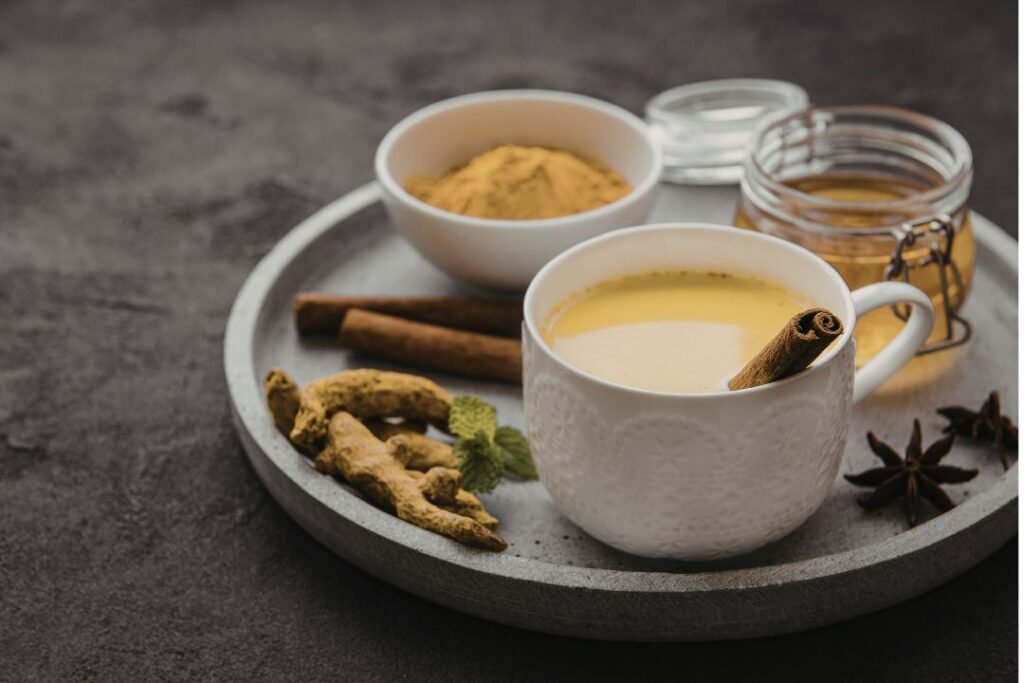
10. Settle Digestion With a Warm Herbal Tea
After breakfast, start your day with a warm herbal tea. This step acts as a gentle close to the morning routine. It signals the body to move from nourishment into activity.
Digestive herbs such as ginger, fennel, or cumin are commonly used. Tea should be warm and sipped slowly while seated. Avoid strong stimulants at this time. This practice helps maintain balance after eating.
FAQs: Dinacharya
Do I need to follow all ten steps every day?
No. Dinacharya is flexible and meant to support you. Start with a few steps and build gradually.
How long should a morning routine take?
It can be as short as 15 to 20 minutes. Consistency matters more than length.
Is dinacharya only for mornings?
While many practices focus on the morning, dinacharya includes daily and evening habits as well.