


Gingelly oil, also known as sesame oil, is one of Ayurveda’s most trusted staples for everyday care. Rich in warmth and nourishment, it supports healthy skin, strong hair, and overall vitality. Used regularly, there are many benefits of Gingelly oil as it helps keep the body balanced and the senses calm, making it a simple yet grounding addition to modern wellness routines.
This guide explores the benefits of gingelly oil through the lens of Ayurveda. You’ll learn how gingelly oil supports skin, hair, and internal health, what makes cold pressed sesame seed oil so special, and how to choose and use it in your daily rituals for natural radiance and vitality.
This post may contain affiliate links which means we may receive a commission for purchases made through links. As an Amazon Associate we earn from qualifying purchases. Learn more on our Privacy Policy.
What Is Gingelly Oil in Ayurveda?
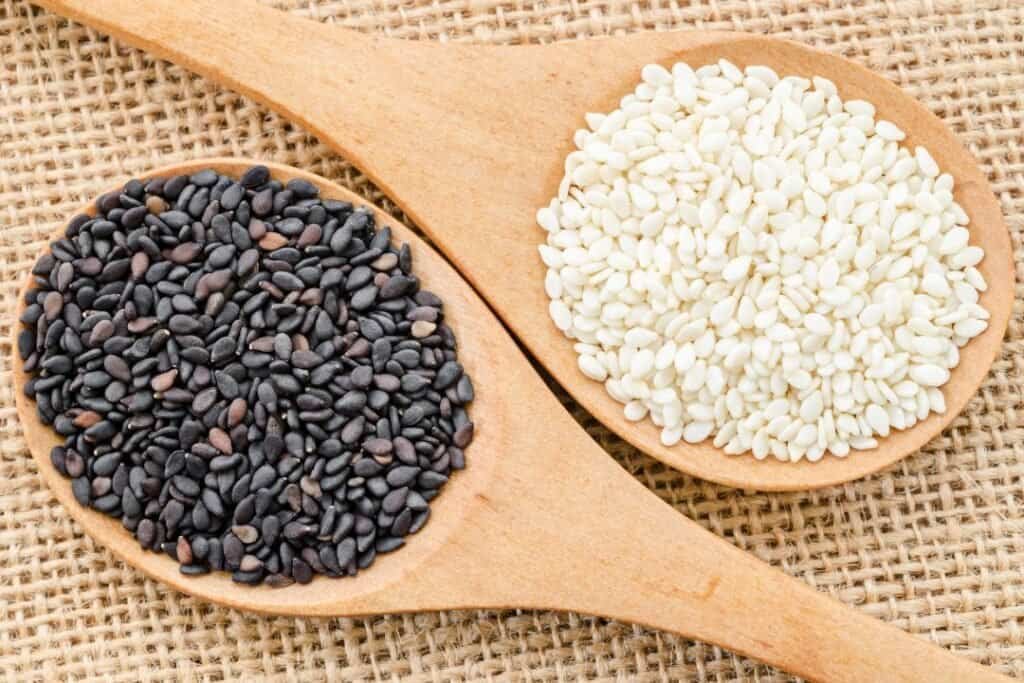
Gingelly oil, or til taila in Sanskrit, is derived from sesame seeds which are one of the oldest cultivated crops on Earth. In Ayurvedic texts, it’s called the “queen of oils” for its grounding and nourishing qualities. Rich in vitamin E, calcium, and essential fatty acids, it is warming in nature and especially beneficial for those with Vata and Kapha imbalances.
Traditionally, it’s used for abhyanga (daily self-massage), oil pulling, and hair care. Its slightly viscous texture and subtle nutty aroma make it a comforting addition to both skincare and wellness routines.

This light, unrefined sesame oil is a cornerstone of Ayurvedic self-care. Cold-pressed and organic, it deeply nourishes the skin, hair, and body while supporting balance and vitality.
Ideal for daily Abhyanga massage, hair oiling, or gentle cleansing, it provides warmth, hydration, and grounding energy. Sustainably produced and packaged in recyclable containers, it reflects both purity and respect for nature.
About this item
• 100% pure, unrefined organic sesame oil
• Ideal for massage, skin care, and hair nourishment
• Supports soft, radiant, and balanced skin
• Cold-pressed and free from additives
• USDA Certified Organic, vegan, and cruelty-free
Key Ayurvedic Benefits of Gingelly Oil
According to Ayurveda, sesame oil strengthens the tissues, improves circulation, and protects the skin from dryness and environmental stress. Let’s explore how this versatile oil supports health from the inside out.
1. Deeply Moisturizes and Protects the Skin
The benefits of gingelly oil for skin include hydration, softening, and improved elasticity. Its antioxidants and natural vitamin E help protect the skin barrier while supporting a healthy glow. In Ayurveda, applying sesame oil for skin before bathing acts as a natural shield against external toxins and pollutants.
Because it is slightly warming, it helps stimulate circulation, leaving the skin toned and nourished. Regular use can soothe dry or rough areas, especially during the cooler months.
2. Promotes Scalp Health and Hair Strength
Ayurvedic oils for hair often feature sesame oil as a base because of its ability to penetrate deeply into the scalp and nourish the roots. Massaging with sesame oil for hair promotes strength, reduces breakage, and supports natural luster.
Adding herbal infusions such as bhringraj, amla, or neem enhances its rejuvenating effect. Black sesame oil in particular is prized for promoting thickness and slowing premature graying due to its rich mineral content.
3. Encourages Circulation and Detoxification
Ayurvedic practitioners often recommend a gentle daily massage with gingelly oil to stimulate lymphatic flow. This supports the body’s natural detoxification process while calming the nervous system. The practice of abhyanga with sesame oil can help relieve stiffness, soothe joints, and enhance sleep quality when done before bedtime.
4. Supports Oral and Internal Cleansing
In addition to external use, sesame oil plays a role in internal purification through oil pulling which is a traditional Ayurvedic practice where oil is swished in the mouth to remove impurities. Cold pressed sesame seed oil is preferred for this ritual due to its purity and gentle nature.
It is also sometimes used in moderation for internal oleation in Panchakarma therapies, helping lubricate tissues and support digestive balance.
Cold Pressed vs Refined Gingelly Oil: Why It Matters
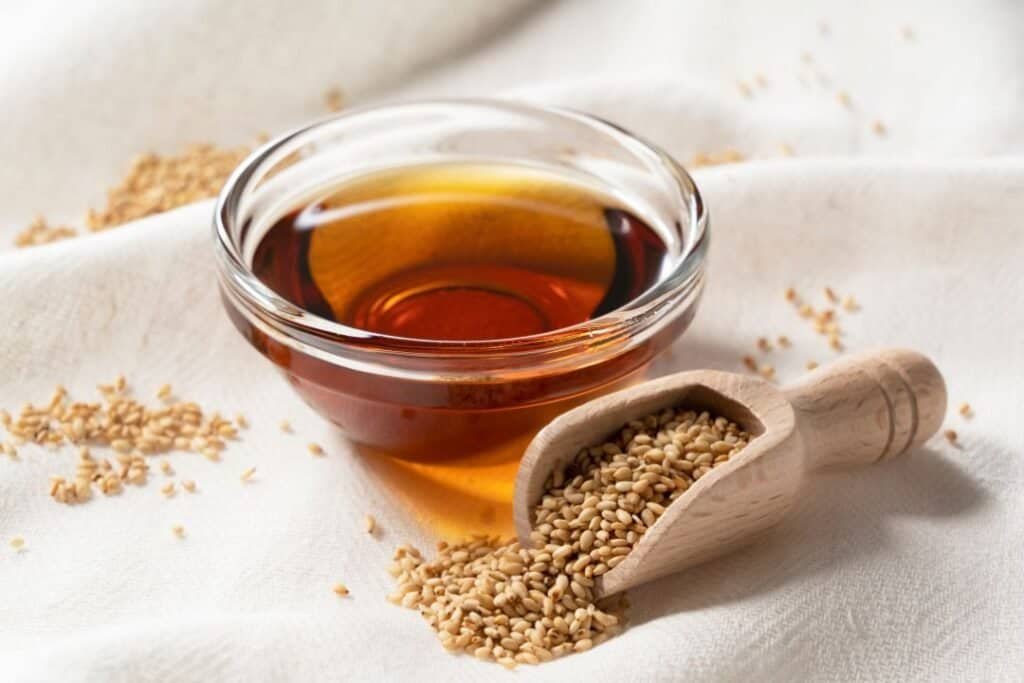
The preparation method determines the quality and potency of sesame oil. In Ayurveda, only cold pressed sesame seed oil is considered sattvic as it is pure and energetically balanced. This process preserves nutrients and prevents oxidation, allowing the oil to retain its natural antioxidants, aroma, and healing properties.
Refined sesame oils, on the other hand, often lose their vital essence due to high-heat extraction and chemical processing. Choosing authentic, cold pressed oil ensures maximum nourishment for both body and mind.
| Type | Extraction Method | Ayurvedic Quality | Recommended Use |
|---|---|---|---|
| Cold Pressed Sesame Oil | Mechanical pressing at low temperatures | Sattvic – retains nutrients and life force | For massage, skin, hair, and oral care |
| Refined Sesame Oil | High-heat and chemical extraction | Rajasic – reduced purity and vitality | Suitable for light cooking |
| Black Sesame Oil | Pressed from unhulled black sesame seeds | Grounding and rejuvenating | For deep scalp massage and winter abhyanga |
How to Use Gingelly Oil in Daily Routine
Ayurveda encourages small, consistent self-care rituals. Gingelly oil can be integrated into daily routines for both external and internal balance.
For the Skin
Warm a small amount of sesame oil for skin and apply before showering. Massage gently in circular motions from the limbs toward the heart. Allow it to soak in for 15-20 minutes before rinsing with warm water. This helps seal moisture and calm the nervous system.
For the Scalp and Hair
Warm ayurvedic sesame oil slightly and apply it to the scalp using fingertips. Leave it on for at least 30 minutes or overnight, then wash with a mild herbal shampoo. Repeat two to three times weekly to promote shine and strength.
For Oral Care
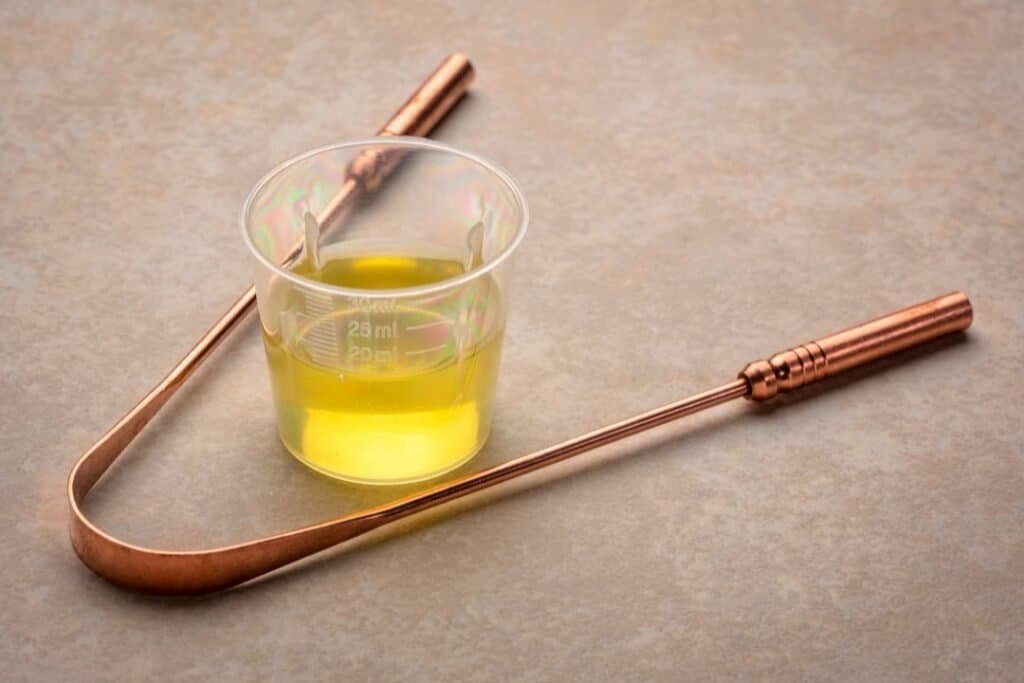
Use one tablespoon of cold pressed sesame seed oil for oil pulling each morning before brushing. Swish gently for 10-15 minutes, then spit out and rinse with warm water. This helps support gum health and reduce impurities in the mouth.
For Self-Massage (Abhyanga)
Perform abhyanga in the morning before a warm shower. Focus on long strokes for limbs and circular motions for joints. The ritual improves circulation, tones muscles, and promotes overall wellbeing.
FAQs About Gingelly and Sesame Oils
Is gingelly oil the same as sesame oil?
Yes. Gingelly oil and sesame oil refer to the same product. “Gingelly” is a regional term often used in South India.
Can I use gingelly oil on my face daily?
You can apply a small amount for nourishment, especially in dry climates. If your skin is oily, limit use to a few times a week or mix with a lighter carrier oil.
What is the difference between white and black sesame oil?
White sesame oil is milder and suited for general use, while black sesame oil is richer and often used for deep rejuvenation and strengthening treatments.
Is sesame oil suitable for cooking?
Yes, sesame oil can be used for light sautéing or added to dressings. It supports digestion when used in moderation.
Embracing Gingelly Oil as a Daily Ritual
Incorporating gingelly oil into your daily life is a simple yet powerful act of self-care. Whether massaging your skin, nurturing your hair, or practicing oil pulling, this ancient Ayurvedic oil brings warmth, balance, and renewal. By choosing pure, cold pressed sesame seed oil, you reconnect with a timeless tradition that celebrates harmony between body and nature.
Start with one small ritual—perhaps an evening scalp massage or morning abhyanga—and let the practice evolve naturally. Over time, you’ll experience the deep calm and vitality that come from nourishing the body with intention.