

Pranayama is the Ayurvedic and yogic practice of working with the breath to support balance in the body and mind. In daily life, breathing often becomes shallow or rushed, especially during busy mornings or long hours of focus. Pranayama helps bring awareness back to the breath so it can move in a steadier and more supportive way. This guide introduces six foundational breathing techniques that are approachable and suitable for everyday practice.
From an Ayurvedic perspective, the breath influences digestion, energy levels, and mental clarity. When breathing is uneven, the nervous system stays alert, which can affect sleep, appetite, and focus. Gentle pranayama practices encourage a calmer rhythm that supports digestion and steady energy throughout the day. These techniques are not about force or control, but about creating ease and awareness.
The breathing techniques can be practiced at home, seated comfortably, and without special equipment. Each one serves a slightly different purpose, helping you tune into your body and adjust your breath based on how you feel. With consistency, pranayama becomes a quiet daily habit that supports balance over time.
This post may contain affiliate links which means we may receive a commission for purchases made through links. As an Amazon Associate we earn from qualifying purchases. Learn more on our Privacy Policy.
What Is Pranayama in Yoga and Ayurveda
Pranayama means regulating the breath, but its deeper purpose is awareness. Begin by noticing how your breath moves without trying to change it. This awareness helps your body relax and allows the breath to flow more smoothly. With gentle guidance, you gradually lengthen and deepen your inhalations and exhalations.
In Ayurveda, the breath connects directly to prana, or life force. When prana flows freely, the body feels lighter and more stable. When prana is disturbed, restlessness, fatigue, or tension appear. Practicing pranayama encourages steady prana flow, supporting your physical and mental well-being.
6 Foundational Pranayama Breathing Techniques
1. Natural Breathing Awareness
This is the starting point for all pranayama practices. Sit comfortably and observe your natural breath without trying to change it. Notice where the breath moves in the body, such as the chest, ribs, or belly. This awareness alone can help calm the nervous system.
Natural breathing awareness is helpful at any time of day, especially when feeling overwhelmed. It builds a strong foundation for other techniques by encouraging patience and presence. Practicing for just a few minutes can bring a sense of steadiness before moving on with your day.
2. Dirga Pranayama (Three Part Breath)
Dirga pranayama involves breathing into three areas of the torso: the belly, the ribcage, and the upper chest. As you inhale, allow the breath to fill these areas gradually. On the exhale, let the breath release slowly in reverse order. The movement is smooth and unforced.
This technique supports fuller breathing and helps release tension held in the chest and shoulders. It is especially useful for people who tend to breathe shallowly. Dirga pranayama is often practiced in the morning or before rest to encourage calm and clarity.
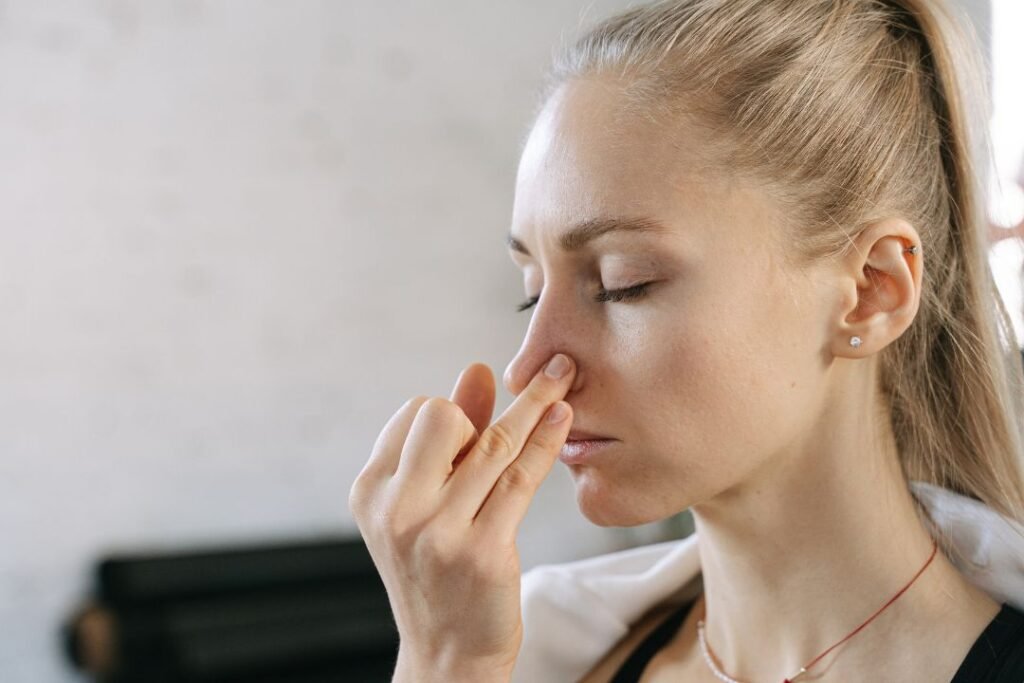
3. Nadi Shodhana (Alternate Nostril Breathing)
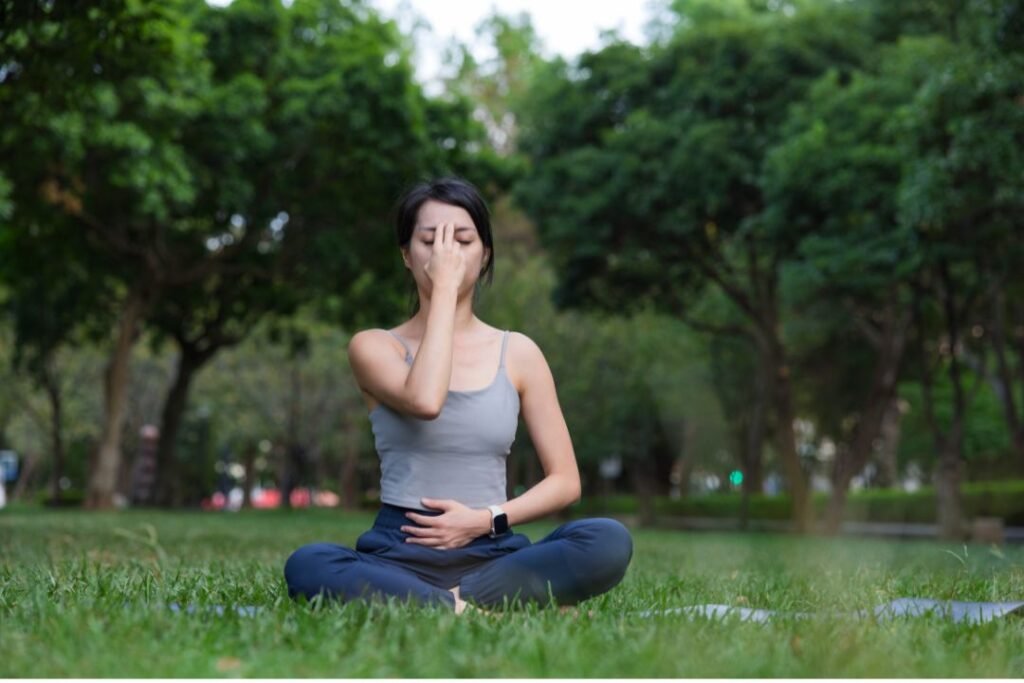
Nadi shodhana is a gentle breathing practice that alternates the breath between the left and right nostrils. Using the fingers to guide the breath, you inhale through one nostril and exhale through the other. The pace is slow and steady, without holding the breath.
This practice is traditionally used to support balance between the nervous system responses. It can help settle mental restlessness and improve focus. Nadi shodhana is well suited for transitions, such as before meditation or after a busy day.
4. Ujjayi Breathing
Ujjayi breathing is done by gently narrowing the back of the throat, creating a soft sound as you breathe. The inhale and exhale are both slow and controlled. The breath remains smooth, without strain or force.
This technique helps anchor attention and supports steady energy during movement or seated practice. It is commonly used during yoga postures but can also be practiced on its own. Ujjayi breathing encourages a sense of rhythm and internal focus.
5. Bhramari (Humming Bee Breath)
Bhramari pranayama involves making a soft humming sound during the exhale. The vibration is felt around the throat and head. The inhale remains quiet and natural.
This practice can help release tension and soothe the mind. It is often used when feeling overstimulated or mentally busy. A few slow rounds of bhramari can support relaxation and emotional balance.
6. Gentle Kapalabhati for Beginners
Kapalabhati involves gentle, rhythmic exhalations while the inhale remains passive. For beginners, the movement should be soft and controlled, with a slow pace. It is important to keep the body relaxed and stop if any discomfort arises.
This practice is traditionally used to support digestion and energy. It is best practiced in the morning on an empty stomach and avoided during periods of fatigue or illness. When done gently, it can help awaken the body without strain.
When to Practice Pranayama
Pranayama is most effective when practiced regularly and with awareness. Many people find morning practice helpful, as the mind is quieter and the body more receptive. It can also be practiced later in the day to support relaxation and transition into rest.
Practicing on an empty stomach is generally recommended. Sitting comfortably with an upright spine helps the breath move freely. Even a short daily practice can support long term balance when done with consistency.
Common Mistakes to Avoid
One common mistake is forcing the breath or trying to achieve a specific sensation. Pranayama should feel steady and comfortable, not intense. If breathing feels strained, it is best to return to natural breathing awareness.
Another mistake is practicing when the body feels unwell or overly tired. Listening to your body helps ensure that pranayama remains supportive. The goal is not perfection, but gentle consistency.
FAQs
Is pranayama safe for beginners?
Yes, gentle pranayama techniques are suitable for beginners when practiced slowly and without strain.
How long should a pranayama practice last?
Even five to ten minutes can be beneficial when practiced regularly.
Can pranayama be practiced without yoga postures?
Yes, pranayama can be practiced on its own while seated comfortably.
Should pranayama be done through the nose?
Most pranayama techniques are practiced through the nose to support steady and smooth breathing.