


Detoxifying herbs are a key part of an Ayurvedic healing protocal, and in this guide we are going to break down 6 of the main ones. As our modern lives are filled with more and more stressors, processed foods, long hours and environmental burdens that quietly weigh on our system, finding ways to keep the balance is key. In the language of Ayurveda, the result of this is known as ama, also known as metabolic toxins. As a certified Ayurveda nutrition and lifestyle coach, one of the first aspects of healing to address is if there is ama present in the body. The treatment for this is referred to as ‘Ama pachana’. It is a core Ayurvedic therapeutic process that focuses on eliminating “Ama,” which are toxins resulting from improper digestion or metabolic waste, through herbs and lifestyle changes.
Ama is undigested, sticky, heavy waste and toxins that accumulate when our digestive fire (agni) is weak. The good news is that a detox does not have to be radical or harsh. Using the right herbs, gently and consistently, you can support your body’s innate detox pathways – liver, digestive tract, lymph, skin and mind—without forcing or over-agitating the system. This article is not medical advice, please speak to your healthcare practitioner for guidance.
This post may contain affiliate links which means we may receive a commission for purchases made through links. As an Amazon Associate we earn from qualifying purchases. Learn more on our Privacy Policy.
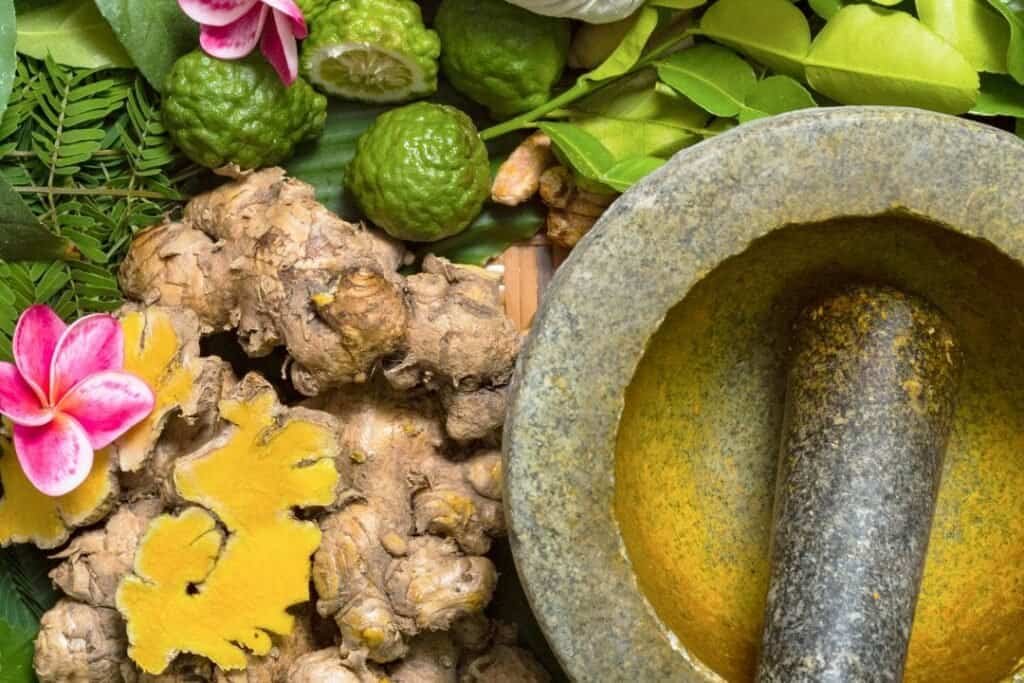
In Ayurveda’s holistic view, these herbs assist in purification—not just by “flushing out” toxins, but by re-igniting metabolism, addressing excess inflammation, supporting elimination channels, and bringing balance back to the doshas. Below are six highly regarded detoxifying herbs, each described with their Ayurvedic taste and quality as well as key benefits, and practical ways to use them.
6 Best Detoxifying Herbs
1. Triphala (Three-Fruit Blend: Amalaki, Haritaki, Bibhitaki)
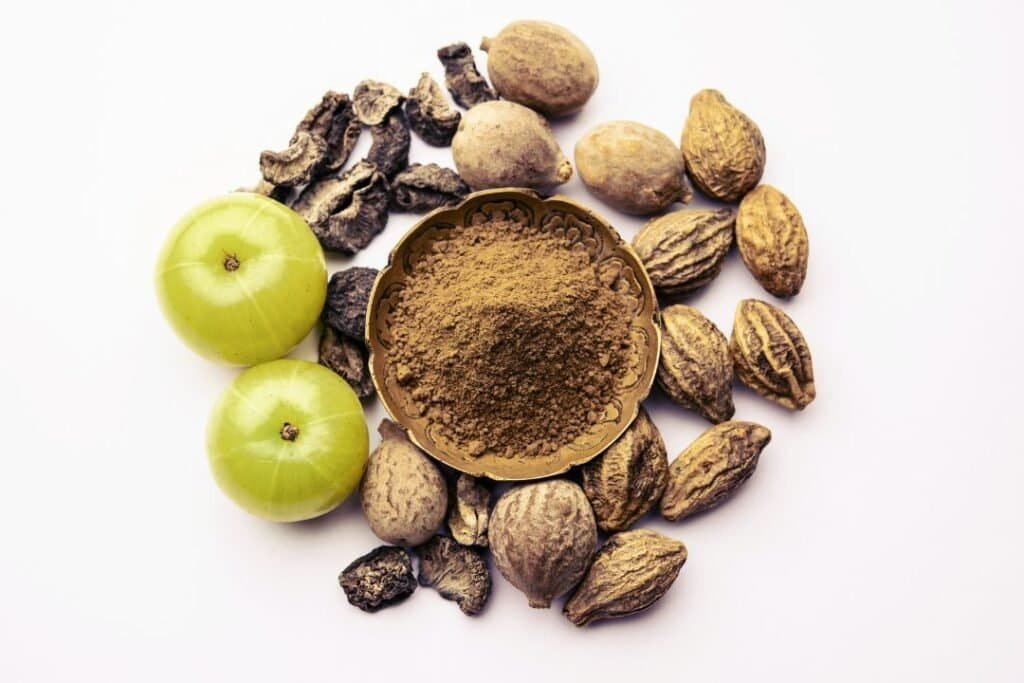
According to Verywell Health comprehensive list of Ayurvedic herbs, this blend is infamous in Ayurvedic as one of the gentlest, yet most effective, daily detox formulas in Ayurveda. Composed of three fruits—Amalaki (Emblica officinalis), Haritaki (Terminalia chebula) and Bibhitaki (Terminalia bellerica) – it supports digestion, colon cleansing, and entire gastrointestinal health.
- Taste & Property: Slightly astringent and bitter, light in nature, balances all three doshas.
- Benefits: Encourages regular elimination, strengthens agni, supports nutrient absorption, purifies blood. It acts as a natural laxative, promoting regular bowel movements and preventing build-up of ama in the digestive tract.
- How to use: 1–2 teaspoons of powder in warm water at bedtime or after dinner. Alternatively in capsule form under the guidance of a practitioner. It is recommended that you take powder so your body and register the bitter taste which is essential to detoxification.
- Notice: Because it acts as a mild laxative, start with a small dose and ensure you are well hydrated. First start by taking it every other night.
2. Turmeric (Curcuma longa)
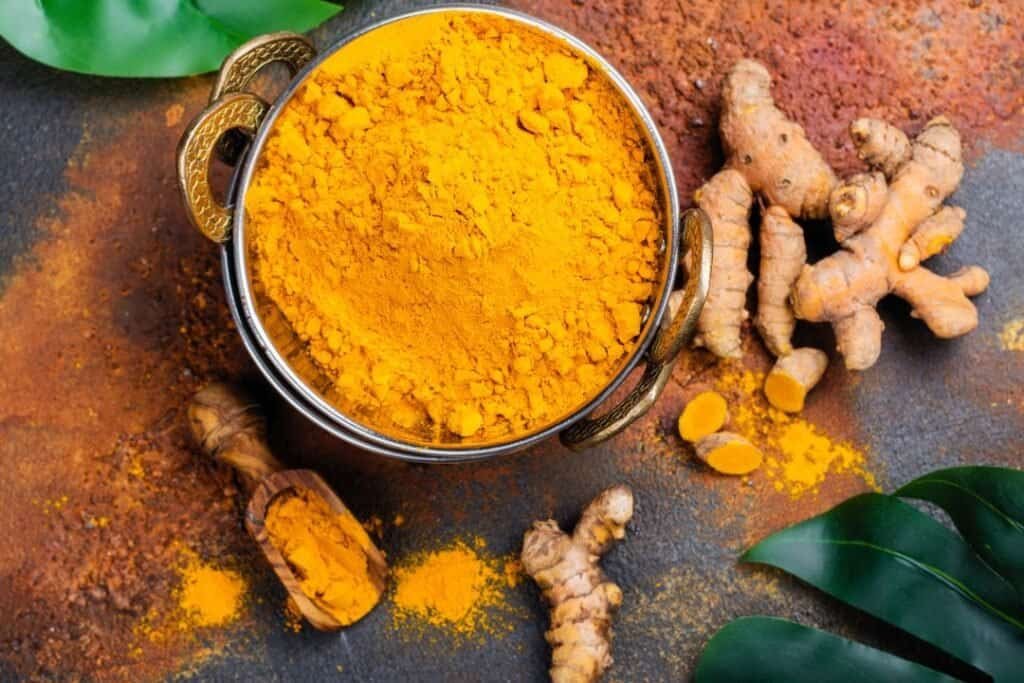
If you are even mildly familiar with Ayurveda, then you will know of the benefits of turmeric. Often called the golden spice of Ayurveda – turmeric’s detoxifying benefits support the liver, reduce inflammatory processes and protect cells from oxidative damage.
- Taste & Property: Warming, pungent, slightly bitter. Fire-element dominated; its energy is heating and transformative.
- Benefits: Stimulates bile production (a key detox pathway), supports liver function, cleanses blood, supports healthy skin and immune balance.
- How to use: Incorporate ½-1 tsp of powdered turmeric into warm milk or plant-milk each morning, or add turmeric + black pepper + coconut oil to savoury meals for enhanced absorption.
- Notice: Because it’s heating, if you have a dominant Pitta dosha or experience excess heat, use less or combine with cooling herbs like coriander or aloe vera.
3. Neem (Azadirachta indica)
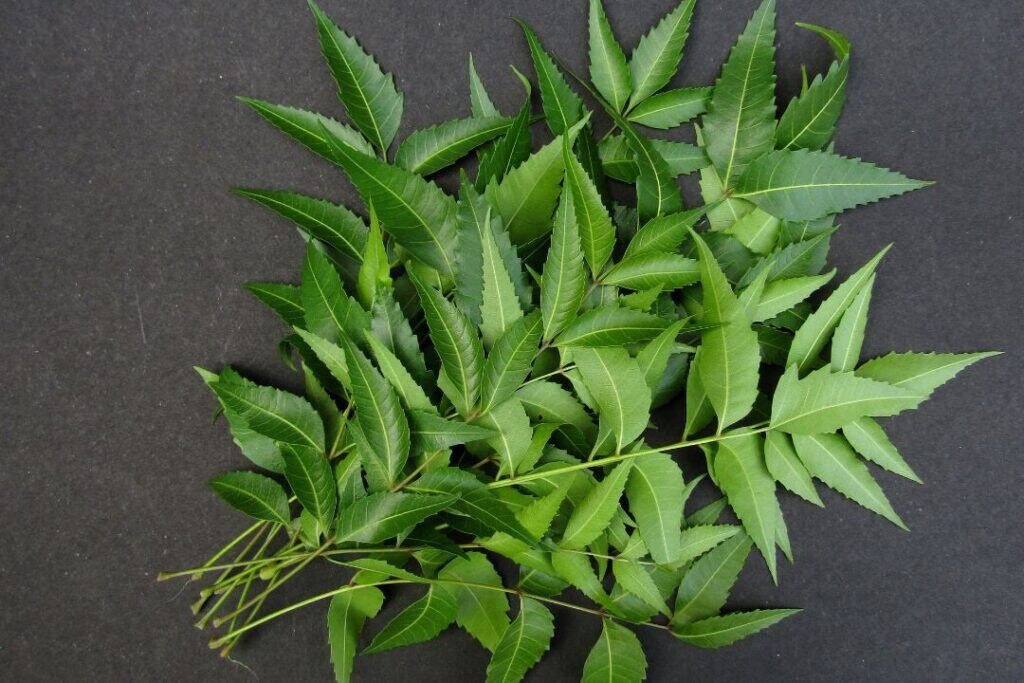
Neem may not be that well known in the West, but it is very commonly used in India and Sri Lanka. Neem is one of Ayurveda’s classical “blood-purifiers” and detox herbs. It has strong bitter and cleansing qualities that cleanse the liver, blood, skin and lymph.
- Taste & Property: Bitter, astringent and cooling. Earth/water element dominant and deeply cleansing.
- Benefits: Purifies blood, supports liver and kidney elimination, clears skin conditions, provides antimicrobial defence.
- How to use: Neem leaf powder or capsules under a practitioner’s guidance; or neem tea (¼-½ tsp neem leaf in hot water) 1–2 times per week. Avoid long-term use unless supervised.
- Notice: Because of its strong effect, avoid excessive use with dominant Vata or during pregnancy without guidance.
4. Guduchi (Tinospora cordifolia)

Also called “Amrita” (nectar of life) in Ayurveda, Guduchi has dual action—it detoxes and deeply rejuvenates. It supports immune resilience, liver/kidney function and cellular cleansing.
- Taste & Property: Sweet and slightly bitter, cooling. Light and airy energy, balances Pitta and Kapha primarily.
- Benefits: Assists detox of tissues (dhatus), supports liver/kidney detox, enhances immunity, helps remove deep-seated toxins.
- How to use: ½-1 tsp dried Guduchi powder in warm water or infused tea once daily; or take standardized extract under practitioner guidance.
- Notice: Because of its strong adaptogenic quality, monitor how you feel—some may sense lightness, others may feel slightly looser digestion initially.
5. Ginger (Zingiber officinale)
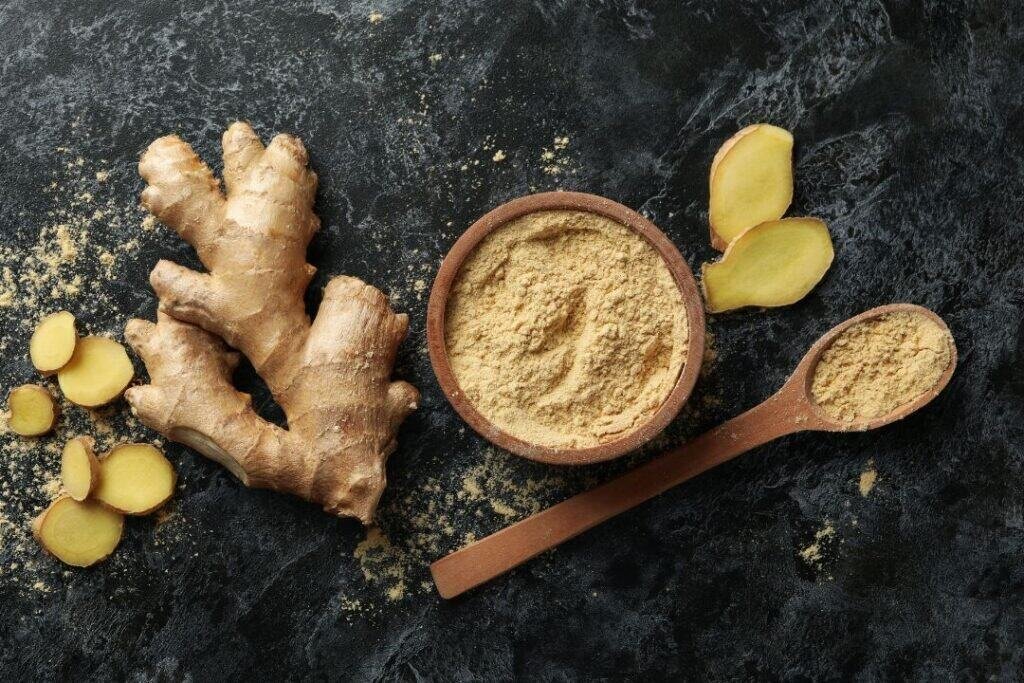
Ginger is plant that is easily found in most supermarkets everywhere. However, ginger isn’t only for digestion—it’s a powerful half-detox herb in Ayurveda. It stimulates the digestive fire (agni), improves circulation, warms the system and moves stagnation which is key for toxin clearance.
- Taste & Property: Strongly pungent, very warming. Fire/air elements.
- Benefits: Enhances digestion, supports elimination, warms the body, helps move stagnant lymph and waste.
- How to use: A fresh slice of ginger steeped in warm water with lemon each morning, or ¼ tsp dry ginger powder in herbal tea post-meals.
- Notice: If you’re already high in heat (Pitta), use moderate amounts and pair with cooling herbs like coriander or mint.
6. Brahmi (Bacopa monnieri)
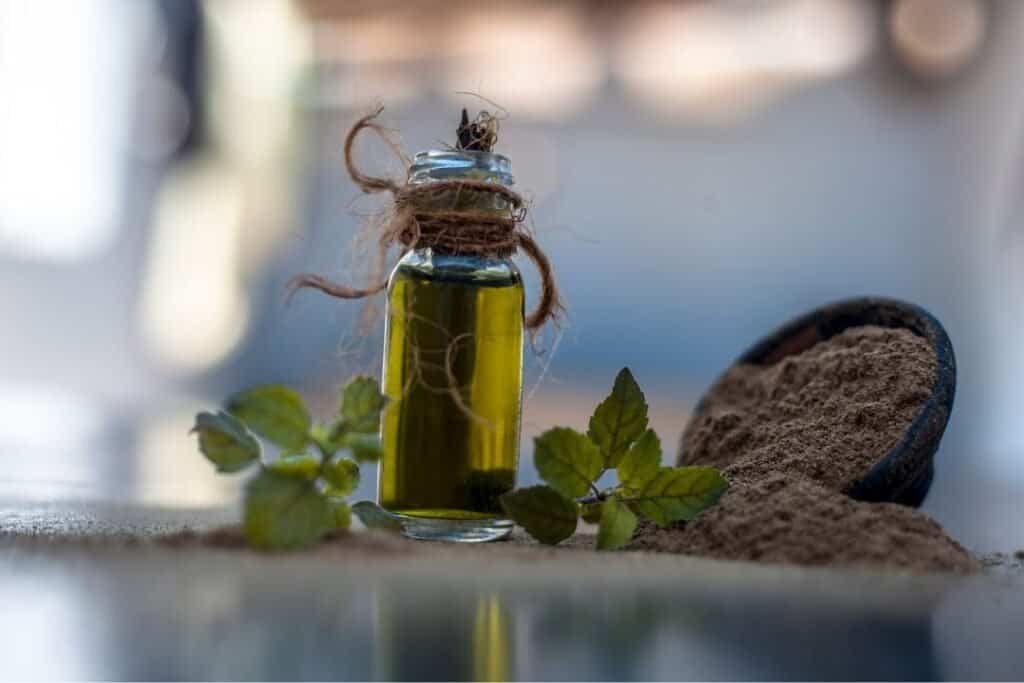
While often considered for the mind, Brahmi’s detox support is subtle and profound—clearing nervous system “toxins,” easing stress, supporting liver and lymph and calming a high-vata system.
- Taste & Property: Sweet and slightly bitter; cooling and light. Space/air element dominant.
- Benefits: Clarifies mind, reduces stress (which is a major source of internal toxin accumulation), supports hepatic and lymph cleansing.
- How to use: ½-1 tsp Brahmi powder in warm water or herbal tea in the evenings, or standard extract as advised by a practitioner.
- Notice: Because of its calming effect, might slow digestion if you are deep in Vata imbalance—pair with ginger for balance.
Bringing It Into Your Routine
- Match herb to need: If you feel sluggish and heavy (Kapha), use warmth-stimulating herbs like turmeric + ginger. If you have excess heat (Pitta), use liver detoxifying herbs and bitter-cooling herbs like neem and brahmi. If your digestion is weak (Vata), choose gentle herbs like triphala or guduchi in smaller doses. l
- Support the process: Detox is not just herbs. Combine herbal support with warm water first thing, light movement, daily self-massage (abhyanga), mindful meals, and good sleep.
- Use for a cycle—not forever: Herbs like neem or heavy detox agents are best for short cycles (2–4 weeks) with guidance. Gentle herbs (triphala) can support more regular use.
- Stay aligned with the seasons: In spring and early fall (transition times), detox herbs are especially supportive. Use more gently during high Vata times (late fall/winter) and when digestion is stable.
- Check quality and guidance: Herbs vary in quality. Pick trusted sources, and if you are taking medications, pregnant, or elderly, please consult a health care practitioner for personalised support.