


Ayurvedic spices for cooking play an important role in supporting digestion and daily balance. Ayurveda teaches that food nourishes the body best when digestion stays strong and steady. Spices help awaken agni, the digestive fire, so the body can break down food and absorb nutrients with ease. When used regularly, these spices support comfort, clarity, and consistent energy throughout the day.
Cooking with Ayurvedic spices does not require complicated recipes or special tools. Small amounts added to everyday meals can gently support digestion without overwhelming the body. Ayurveda values warmth, aroma, and timing when using spices. The goal stays steady digestion rather than strong flavor alone.
The five spices below appear often in Ayurvedic kitchens because they work well for daily cooking. Each one supports digestion in a slightly different way and suits a wide range of meals. These spices fit easily into soups, grains, vegetables, and simple home cooking. Used with awareness, they help bring balance to both food and routine.
This post may contain affiliate links which means we may receive a commission for purchases made through links. As an Amazon Associate we earn from qualifying purchases. Learn more on our Privacy Policy.
Why Ayurveda Uses Spices in Daily Cooking
Ayurveda views digestion as the foundation of health. When digestion weakens, the body struggles to process food and eliminate waste properly. Spices help stimulate digestive enzymes and improve circulation in the digestive tract. This allows food to move smoothly and reduces heaviness after meals.
Spices also help balance the doshas by adding warmth and movement to food. Many modern diets rely on cold, dry, or processed meals that slow digestion. Ayurvedic spices counter this effect by supporting warmth and moisture. When used daily, they encourage steady appetite and better meal timing.
5 Ayurvedic Spices for Cooking
1. Cumin
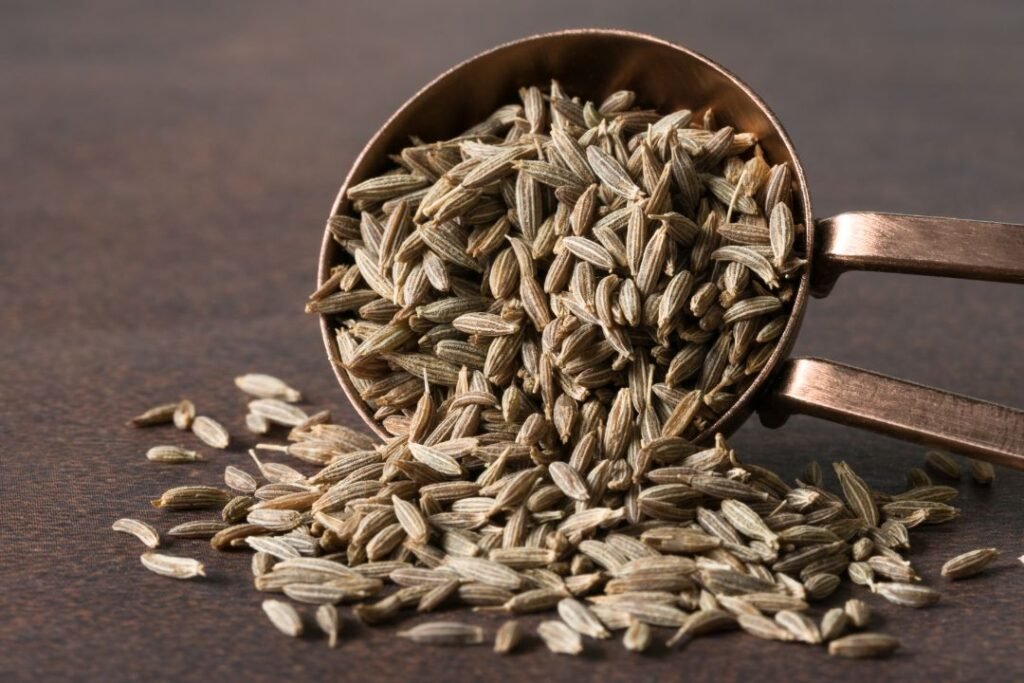
Cumin is one of the most commonly used spices in Ayurvedic cooking. It supports digestion by helping reduce gas and bloating after meals. Cumin works gently, making it suitable for daily use across all doshas. It pairs well with grains, lentils, vegetables, and soups.
Ayurveda often uses cumin seeds lightly toasted in oil to release their aroma. This process helps activate digestive properties before adding other ingredients. Cumin also supports absorption, which helps the body make better use of nutrients. Its grounding nature makes meals feel more complete and satisfying.
2. Coriander
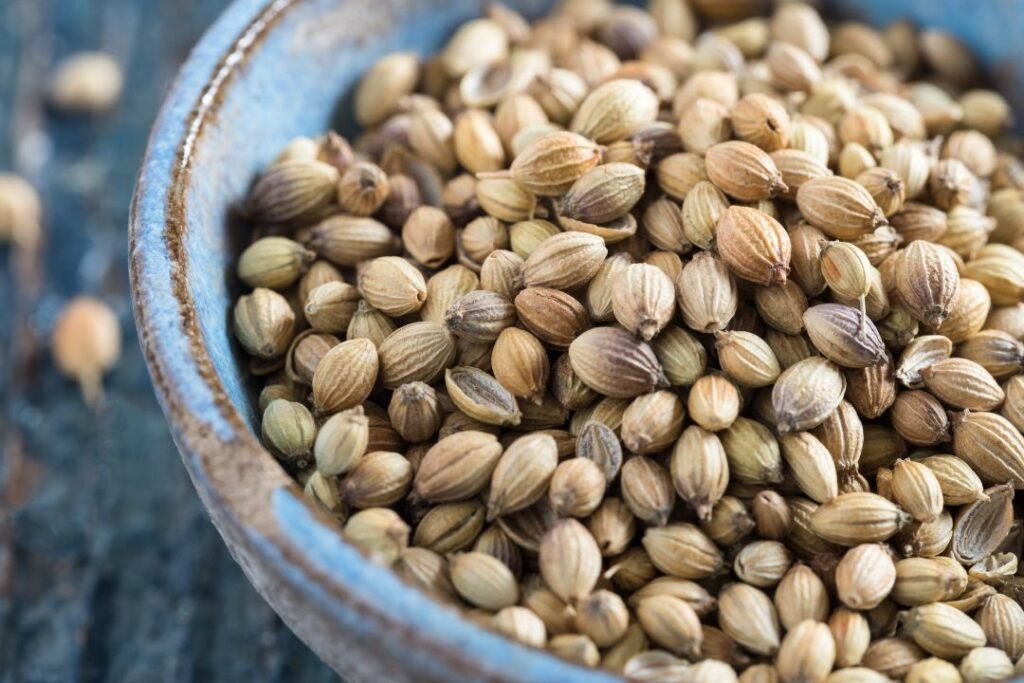
Coriander offers a cooling and balancing effect that supports digestion without overheating the body. Ayurveda values coriander for its ability to soothe the digestive tract while still encouraging proper digestion. It works especially well in warm climates or during warmer seasons. Coriander supports hydration and comfort after meals.
Cooks often use coriander seeds or ground coriander in vegetables, dals, and rice dishes. The spice pairs well with cumin and fennel for a balanced digestive blend. Coriander also supports gentle detoxification through digestion. Its mild flavor makes it easy to include regularly.
3. Fennel
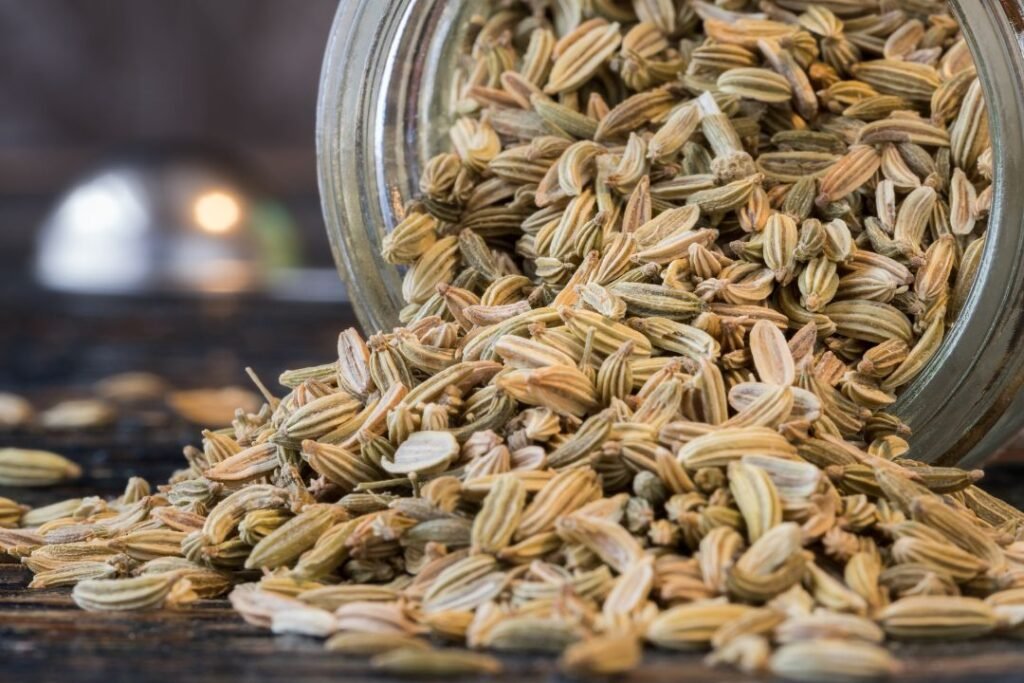
Fennel supports digestion by easing cramping, bloating, and heaviness. Ayurveda often recommends fennel for sensitive digestion or after heavier meals. It carries a naturally sweet taste that calms the digestive system. Fennel works well for all doshas and supports regular elimination.
In cooking, fennel seeds add gentle warmth without sharp heat. They work well in vegetable dishes, soups, and simple grain meals. Many people also chew fennel seeds after meals to support digestion. Its soothing quality makes it a reliable daily spice.
4. Ginger
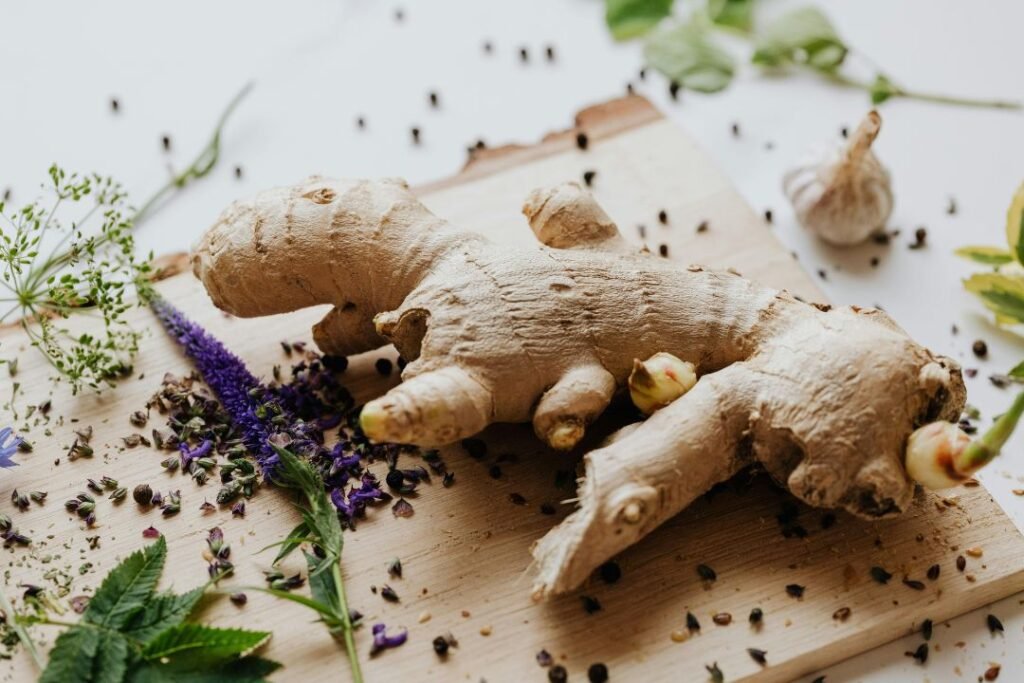
Ginger acts as a powerful digestive stimulant in Ayurvedic cooking. It helps awaken agni and encourages smooth digestion from the first bite. Fresh ginger offers warmth and movement, making it especially helpful for sluggish digestion. Ayurveda often uses ginger to support appetite and reduce heaviness.
Fresh or dried ginger fits easily into soups, stews, and sautéed vegetables. Small amounts go a long way, especially for daily meals. Ginger also supports circulation and warmth throughout the body. Used mindfully, it strengthens digestion without irritation.
5. Turmeric
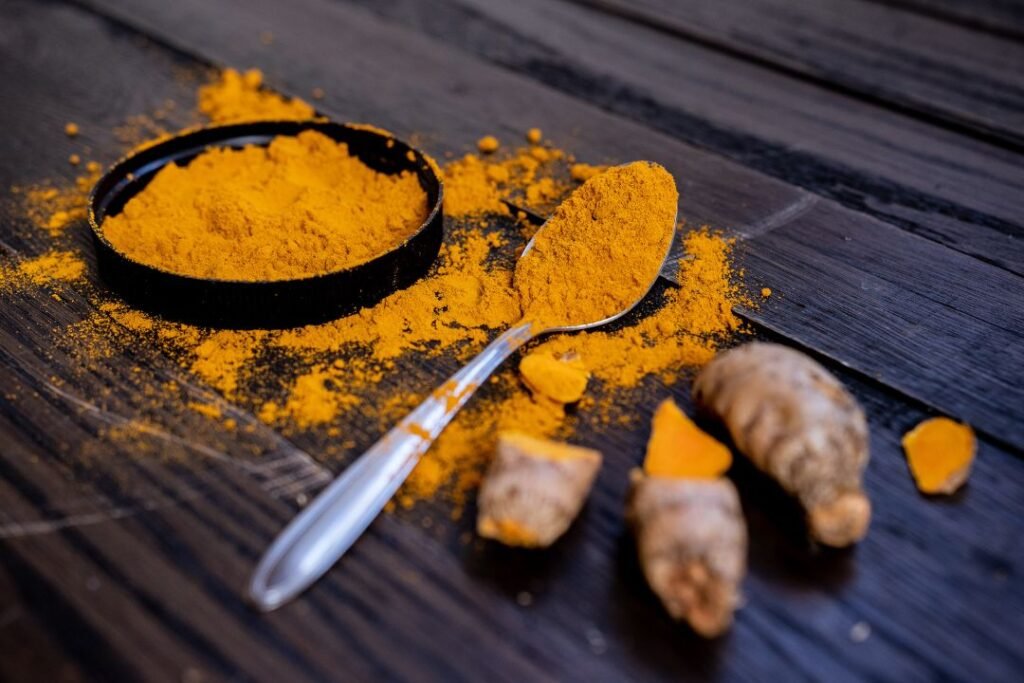
Turmeric supports digestion by helping the body process fats and maintain balance in the gut. Ayurveda values turmeric for its cleansing and protective qualities. It supports liver function, which plays a key role in digestion. Turmeric also helps maintain long term digestive comfort.
Cooking turmeric with oil and gentle heat improves its absorption. It pairs well with cumin, coriander, and ginger in daily meals. Turmeric works best in small, consistent amounts rather than large doses. Its grounding nature supports digestion over time.
How to Cook with Ayurvedic Spices
Use Small Amounts Consistently
Ayurveda emphasizes regular use over strong doses. Small amounts of spices used daily support digestion more effectively than large amounts used occasionally. This approach helps the body adjust gradually and maintain balance. Consistency matters more than intensity.
When cooking, start with one or two spices and observe how your body responds. Over time, you can build combinations that feel supportive. The goal stays steady digestion and comfort after meals. Listening to the body guides spice use best.
Cook Spices with Heat and Fat
Ayurvedic cooking often warms spices in oil before adding other ingredients. This method releases aroma and activates digestive qualities. Heat helps spices blend into food more evenly. Fat improves absorption and reduces dryness.
Use gentle heat rather than high temperatures to avoid burning spices. Burnt spices lose digestive benefits and irritate digestion. A slow and mindful approach works best. Cooking becomes part of digestive care.
Match Spices to the Season
Ayurveda adjusts spice use based on seasonal needs. Cooler seasons often benefit from warming spices like ginger and cumin. Warmer seasons call for cooling spices like coriander and fennel. Seasonal awareness supports balance throughout the year.
This approach keeps digestion steady despite changes in climate and routine. Meals feel lighter when weather shifts feel intense. Seasonal spice choices help the body adapt naturally. Cooking becomes a tool for rhythm and balance.
FAQs
Can I use all five spices together?
Yes, many Ayurvedic dishes combine these spices in small amounts. Balance matters more than quantity. Start gently and adjust as needed.
Are Ayurvedic spices spicy?
Most Ayurvedic spices focus on digestion rather than heat. They support warmth without strong spiciness. This makes them suitable for daily meals.
Do I need to grind spices fresh?
Freshly ground spices offer stronger aroma and flavor. However, quality ground spices also work well for everyday cooking. Choose what fits your routine.