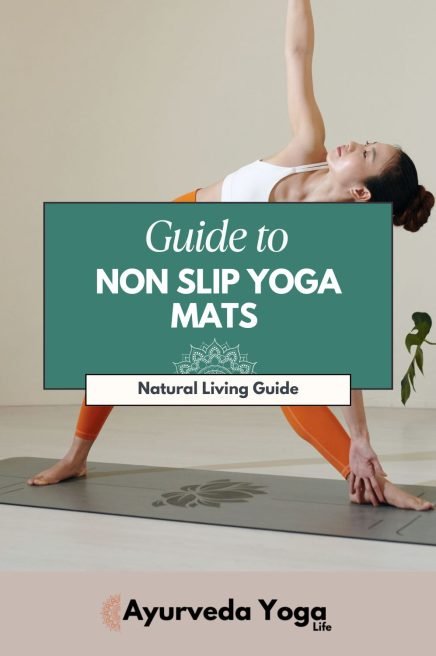


Every yoga practice begins from the ground up. The mat beneath your feet shapes how you move, breathe, and find balance. It’s the foundation that supports every transition, every breath, and every moment of stillness. Choosing a yoga mat non slip made from natural materials is about cultivating stability, presence, and connection. A mat that grips the ground and is steady allows the body to flow.
Natural materials like cork, rubber, and organic fibers bring a quiet grounding energy to practice. They respond to warmth, sweat, and motion with texture and resilience, creating a natural surface for your hands and feet. These materials support both the physical and energetic flow of yoga, helping you stay rooted and aligned throughout your pratice.
In this guide, you’ll explore how different natural mats perform, what makes a surface truly non slip, and how sustainable yoga gear can deepen the sense of connection between your body, your practice, and the earth.
This post may contain affiliate links which means we may receive a commission for purchases made through links. As an Amazon Associate we earn from qualifying purchases. Learn more on our Privacy Policy.
The Foundation of a Steady Practice
Why Grip and Stability Matter
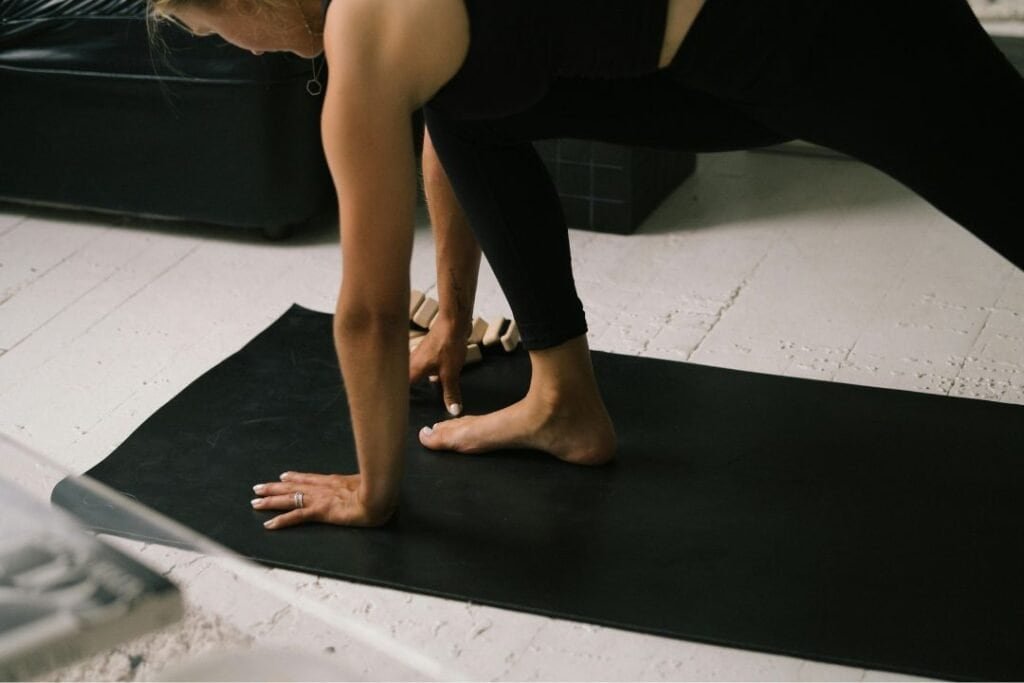
Grip is what keeps your practice safe and fluid. A non slip yoga mat provides traction for your hands and feet, allowing you to move confidently between poses. When you don’t have to think about slipping, your focus can stay on breathing, alignment, and flow.
Understanding Material Energy
Natural materials hold a quality that feels alive under your touch. Cork and natural rubber respond to temperature, moisture, and movement, giving a grounded sense of stability. These textures connect the body to the elements and help create a practice that feels steady and centered rather than synthetic or disconnected. It is also important to consider what is on your body, check our guide to yoga pants.
Natural Materials that Support Stability
Non Slip Yoga Mat: Cork
Cork yoga mats have a warm, organic surface that becomes more grippy as you move. The natural waxes within cork create gentle friction, even during intense or hot yoga sessions. Cork is antimicrobial, renewable, and biodegradable, harvested from tree bark without harming the tree. It offers both firmness and comfort, ideal for anyone who enjoys a natural feel underfoot.
Non Slip Yoga Mat: Rubber
A yoga mat rubber design provides dense cushioning and consistent traction. Natural rubber is elastic and durable, absorbing impact while supporting balance in standing and seated poses. It’s sourced from sustainable plantations and is biodegradable, free of PVC or synthetic dyes. The texture gives a secure grip and a sense of rootedness during movement.
Non Slip Yoga Mat: Eco Friendly Options
An eco friendly yoga mat can also be made from organic cotton, jute, or natural latex. These materials are breathable, flexible, and biodegradable. Cotton offers a soft, absorbent texture, while jute provides firm traction for active styles.
The Science Behind Non Slip Yoga Mats
The effectiveness of a non slip yoga mat depends on friction, surface density, and moisture response. Cork and rubber naturally adapt to body heat and humidity, enhancing traction as you move. Unlike synthetic mats that rely on adhesives or coatings, natural materials use their own structure to maintain grip.
For heated classes or outdoor sessions, cork and natural rubber maintain performance under changing conditions. They absorb small amounts of moisture, preventing slipping without feeling sticky. This adaptability makes them reliable for both gentle and vigorous practices.
Comparing Natural and Synthetic Non Slip Yoga Mats
| Natural Mats | Synthetic Mats |
|---|---|
| Made from cork, rubber, jute, or cotton | Usually PVC or petroleum-based |
| Breathable, non-slip, biodegradable | Can become slippery with sweat |
| Toxin-free and eco-friendly | Contain dyes, glues, or harsh compounds |
| Durable with proper care | Cheaper but less sustainable |
Beyond the Mat: Sustainable Yoga Accessories
Yoga Blocks and Straps
Supportive accessories like blocks and straps improve alignment and make poses more accessible. Choose cork, bamboo, or organic cotton for materials that feel natural and stable. These options are durable and biodegradable, adding to the sustainability of your setup.
Meditation Cushions and Bolsters
Natural fillings such as kapok or buckwheat hulls provide structure and comfort for seated practices. These materials promote good posture and air circulation, helping the body stay relaxed and supported during meditation or pranayama.
Carry Bags and Cleaning Sprays
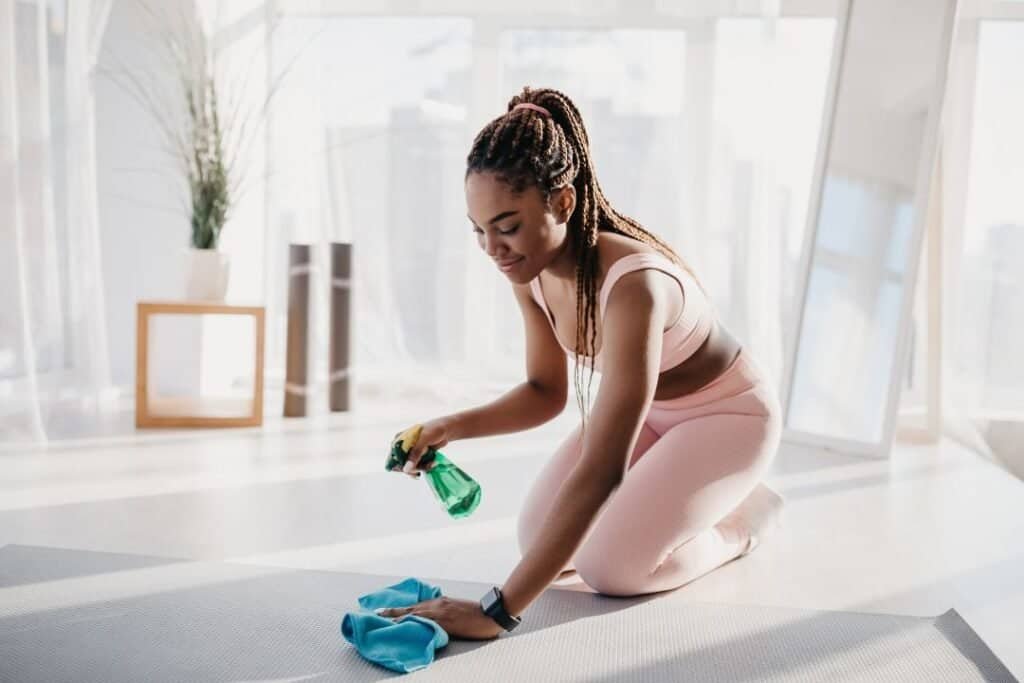
Opt for carry bags made from organic cotton or hemp and clean your mat with gentle, essential oil-based sprays. Avoid harsh chemicals that wear down natural surfaces. Small daily rituals of care help extend the life of your gear and keep your practice space fresh.
How to Choose the Right Mat for Your Practice
The best mat is the one that matches your needs and practice style. For dynamic flows or hot yoga, cork provides reliable grip under sweat. For grounding or restorative sessions, a thicker rubber mat cushions the joints. If you travel often, look for a lightweight foldable design made from natural latex or jute.
Before buying, test the texture and feel. A non slip yoga mat should feel stable but comfortable under your palms and feet. Choose one that balances your body’s needs with your environmental values.
Caring for Natural Yoga Mats
Natural mats last longer with gentle care. After each practice, wipe the surface with a soft cloth and a solution of water and a few drops of lemon or tea tree oil. Allow the mat to air dry in the shade to protect its texture and scent. Avoid direct sun or harsh cleaners that can damage natural fibers.
Regular maintenance not only keeps your mat fresh but also reinforces a sense of respect for the materials that support your daily practice.
FAQs About Yoga Mat Non Slip
What makes a yoga mat non slip?
Grip depends on surface texture, density, and moisture response. Natural materials like cork and rubber maintain traction through fine texture and flexibility.
Is cork good for hot yoga?
Yes. Cork’s grip increases with moisture, making it ideal for hot yoga or active styles where sweat enhances surface contact.
Are natural rubber mats safe for sensitive skin?
High-quality natural rubber mats are non-toxic and free from dyes. Those with latex sensitivities can consider cork or organic cotton alternatives.
How do I clean my non slip yoga mat naturally?
Mix water with a few drops of lemon or tea tree oil, wipe the surface gently, and let it dry naturally in shade.
Grounding Your Practice with a Non Slip Yoga Mat
Every choice in your yoga space reflects how you engage with the world. Selecting a yoga mat non slip made from natural, renewable materials is a small yet meaningful way to care for your body and the planet. Through simple, consistent rituals, you can build a practice that feels balanced, supported, and connected.