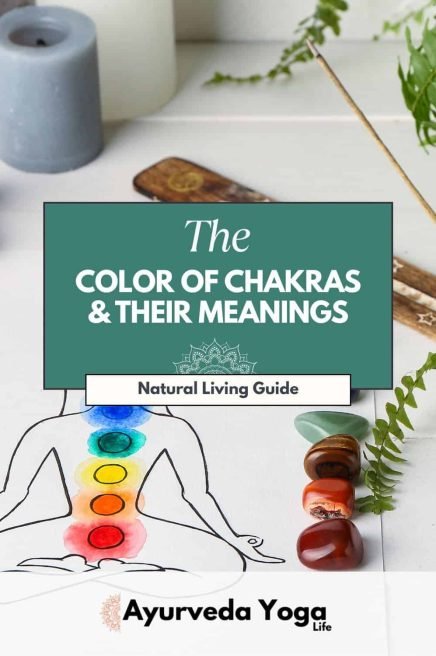


If you are looking for an explanation on the color of the chakras, you have come to the right place. Firstly, chakras are the seven main energy centers that form the subtle body’s map in vedic wisdom correlated with yoga and Ayurveda. In Sanskrit, chakra means “wheel,” representing the continuous movement of energy (prana) throughout the body. Each chakra has a distinct frequency and vibration, expressed through color, sound, and function — together they create the energetic anatomy that influences both our physical and emotional well-being.
In chakras in yoga, each energy center corresponds to specific postures, breathing techniques, and meditative practices that help awaken and balance the flow of life force. The chakra symbols — often seen as lotus flowers — each represent deeper layers of consciousness, evolving from survival to self-realization.
This post may contain affiliate links which means we may receive a commission for purchases made through links. As an Amazon Associate we earn from qualifying purchases. Learn more on our Privacy Policy.
What Are Chakras
As we mentioned the word chakra comes from Sanskrit, meaning “wheel” or “disk,” symbolising spinning vortexes of energy within the body. In yoga and Ayurveda, the chakras are subtle energy centres that connect the physical body with the mind and spirit. There are seven primary chakras, each aligned along the spine, from the base to the crown of the head. These energy centres are associated with different colours, elements, organs, emotions, and psychological functions, forming a bridge between the material and energetic realms.
When energy (known as prana) flows freely through the chakras, we experience physical health, mental clarity, and emotional stability. But when a chakra becomes blocked or overactive, it can lead to imbalance—manifesting as fatigue, anxiety, digestive issues, or emotional instability. The ultimate goal in yoga and Ayurveda is to harmonise these energy centres, allowing prana to circulate effortlessly and support holistic well-being.
The Functions of Chakras
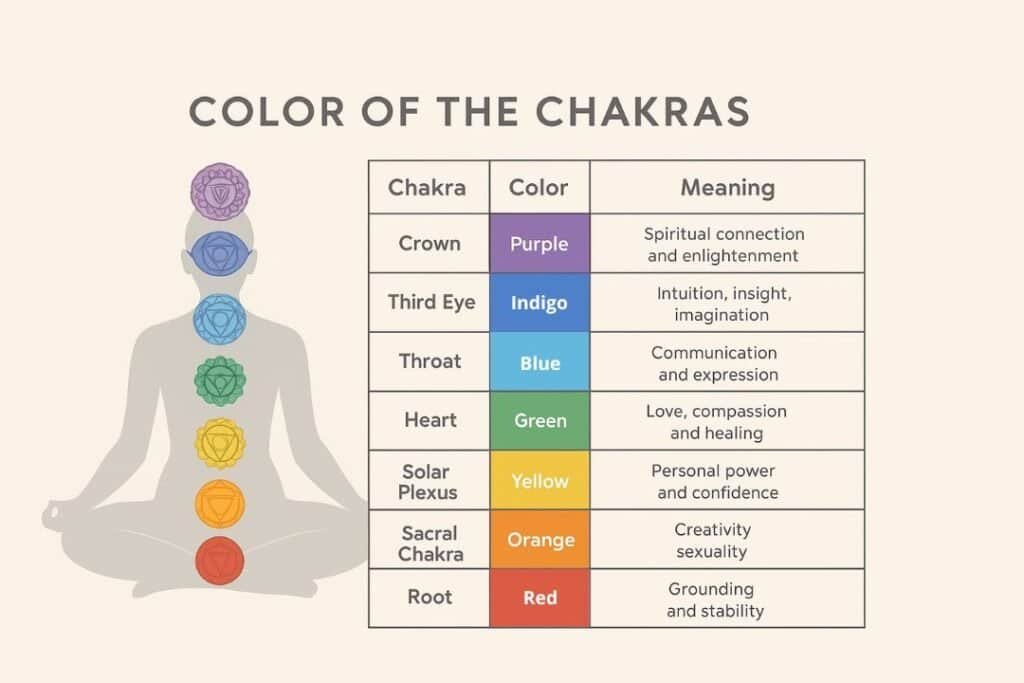
Each chakra serves a specific function related to the physical body and consciousness. Together, they form a complete system that governs everything from survival instincts to spiritual awakening. The lower chakras (Root, Sacral, and Solar Plexus) are associated with grounding, vitality, and emotions—representing our physical and material connection to the world. The upper chakras (Heart, Throat, Third Eye, and Crown) relate to intuition, communication, love, and spiritual awareness.
In Ayurveda, the chakras correspond to the doshas—the biological energies governing the body. Vata dominates the upper chakras (from the heart upward), influencing movement, communication, and creativity. Pitta governs transformation and willpower, centred in the Solar Plexus. Kapha grounds the lower chakras (Root and Sacral), providing stability and nourishment. Balancing these energy centres through diet, lifestyle, yoga, breathwork, and meditation brings alignment between the physical and subtle bodies, fostering vitality and inner peace.
Color of the Chakras and Their Meanings
Crown Chakra (Sahasrara) – Violet Meaning
At the top of the head, the crown chakra represents spiritual connection, awareness, and unity. Its color is violet, symbolizing higher consciousness and enlightenment. Among all chakras colours and their meanings, the crown embodies transcendence — the bridge between the finite self and universal consciousness.
- Balanced: Deep peace, wisdom, and a sense of divine connection.
- Blocked: Disconnection from purpose, confusion, or depression.
- Overactive: Spiritual bypassing, detachment from reality, or superiority complex.
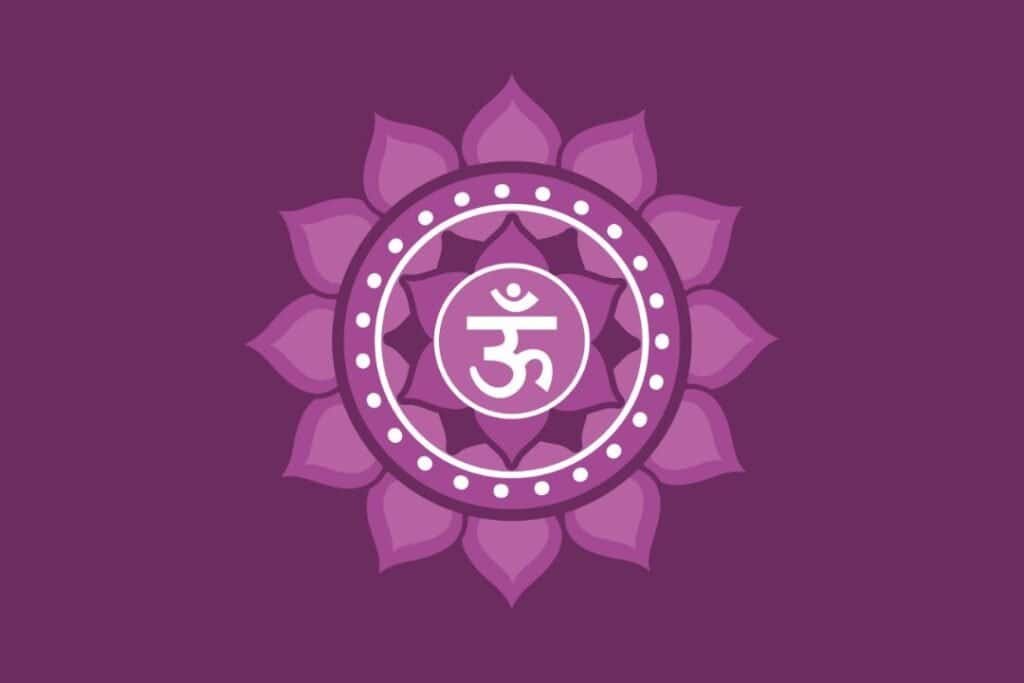
Third Eye Chakra (Ajna) – Indigo Chakra Meaning
The third eye chakra is located between the eyebrows and associated with intuition, insight, and perception. The color indigo signifies awareness and clarity — it is one of the most powerful chakras meaning and colors for spiritual growth. This center governs intuition, imagination, and psychic ability.
- Balanced: Strong intuition, clarity of thought, inner knowing.
- Blocked: Self-doubt, confusion, or lack of imagination.
- Overactive: Overthinking, intrusive thoughts, or hallucinations.
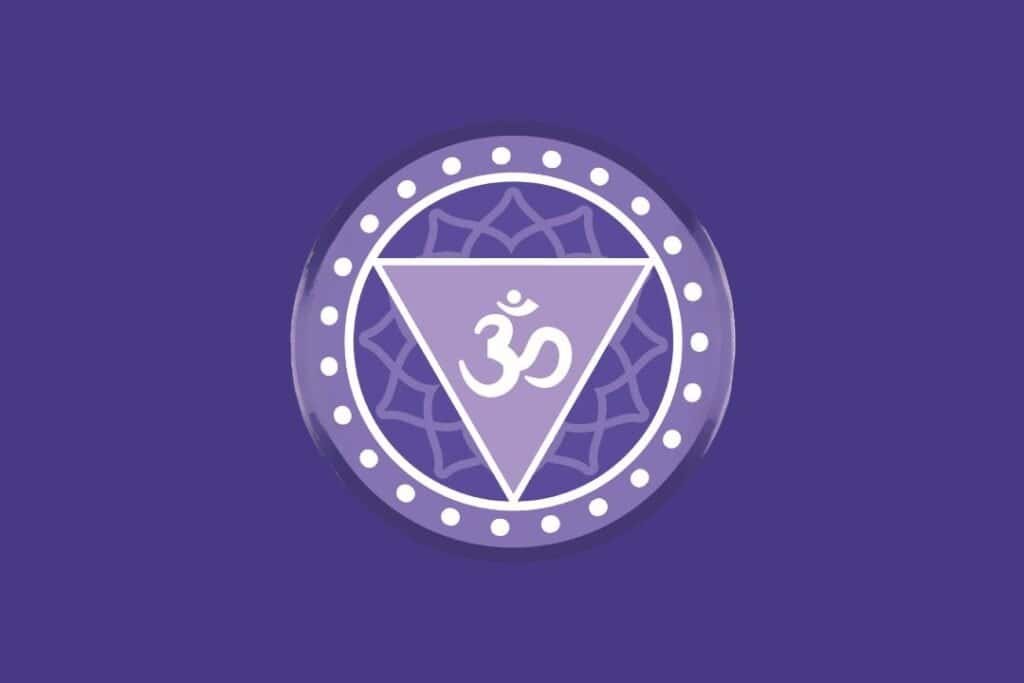
Throat Chakra (Vishuddha) – Blue Chakra Meaning
The throat chakra governs communication, truth, and self-expression. The color blue reflects honesty, creativity, and the power of voice. This energy center aligns closely with Vata dosha, as both relate to air and sound. In chakras in yoga, chanting and pranayama (breathwork) are especially helpful to open Vishuddha.
- Balanced: Clear communication, authenticity, and good listening.
- Blocked: Shyness, fear of speaking, or tightness in the throat.
- Overactive: Talking excessively, gossiping, or dominating conversations.
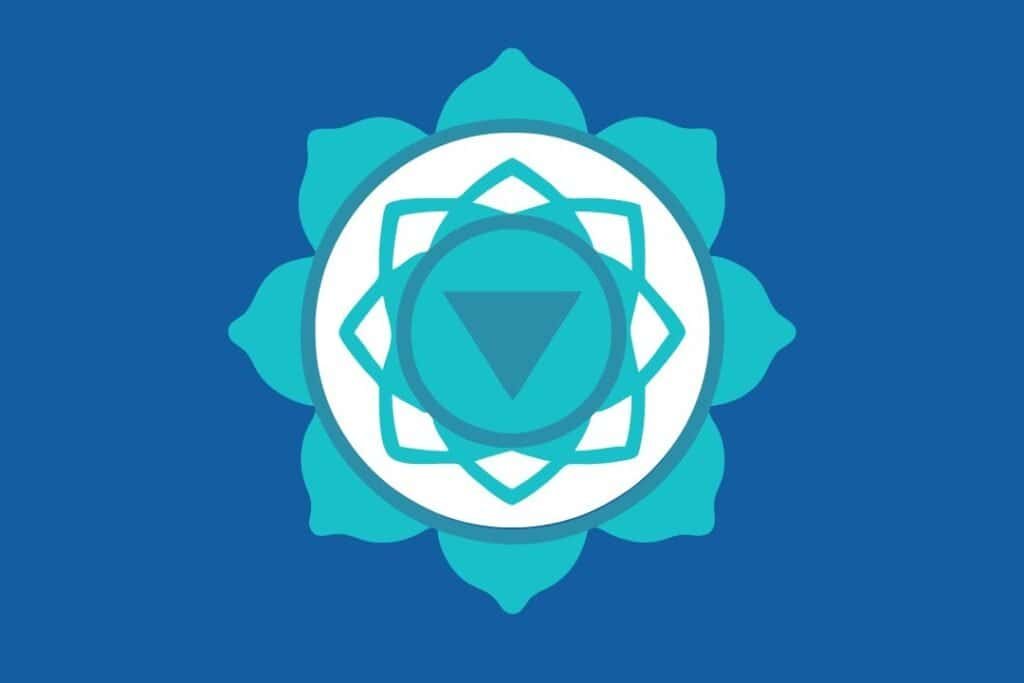
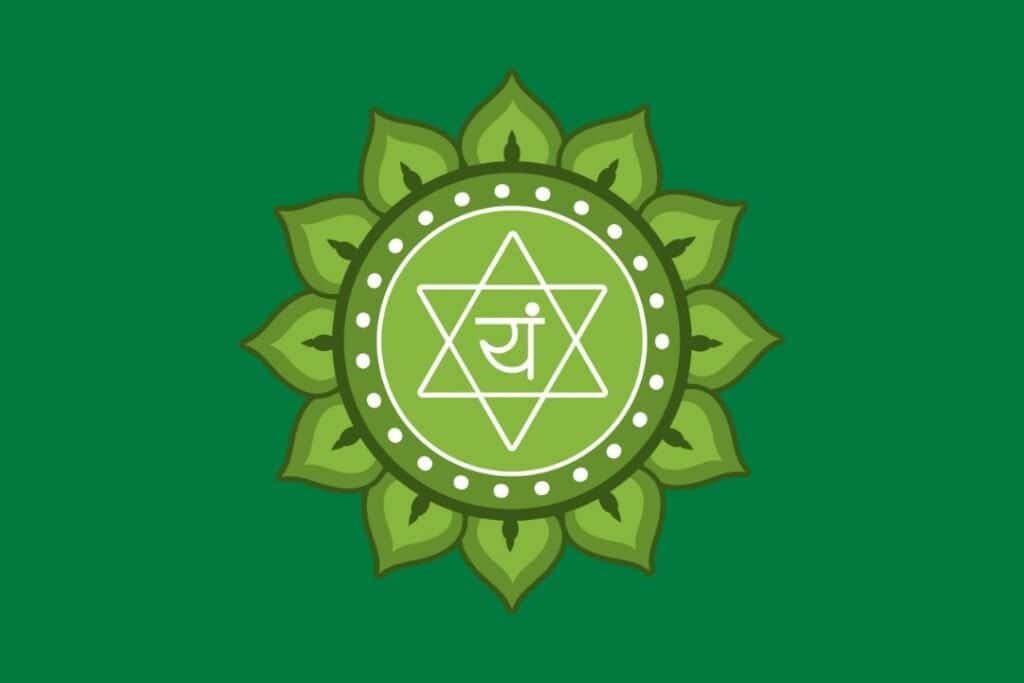
Heart Chakra (Anahata) – Green Chakra Meaning
The heart chakra, represented by the color green, is the center of love, compassion, and forgiveness. Among all chakras colours and their meanings, the chakras green represents growth and renewal. It connects the physical and spiritual planes, linking lower and upper chakras.
- Balanced: Compassion, empathy, emotional balance.
- Blocked: Jealousy, isolation, or lack of self-love.
- Overactive: Over-giving, codependency, or possessiveness.
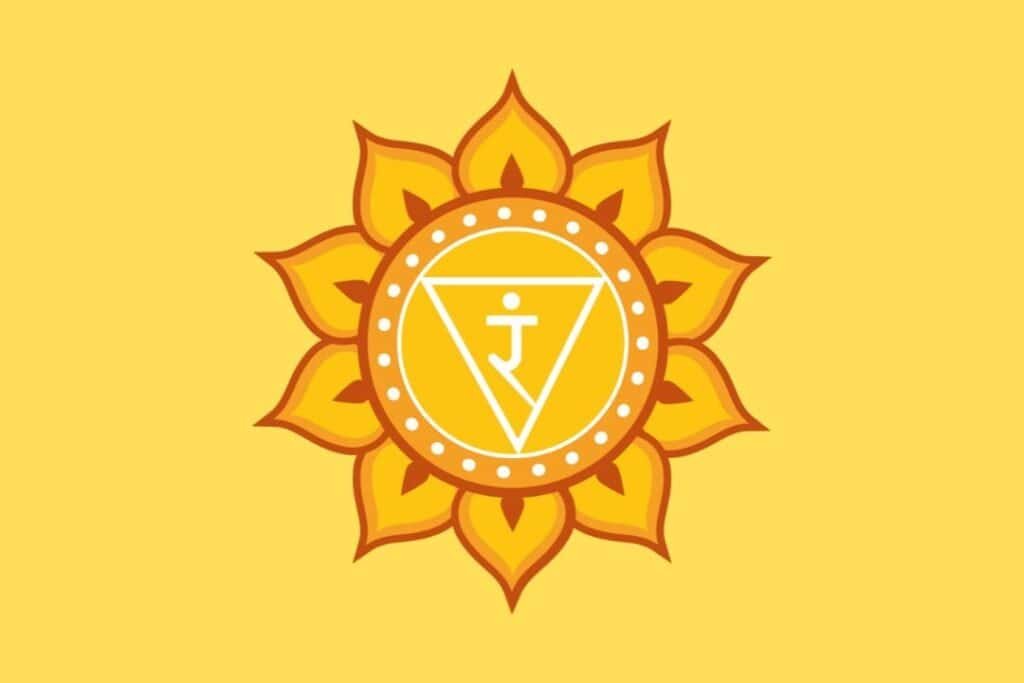
Solar Plexus Chakra (Manipura) – Yellow Chakra Meaning
The solar plexus chakra, located above the navel, governs willpower, confidence, and transformation. The chakras yellow hue symbolizes the element of fire — power, energy, and digestion. This chakra is strongly tied to Pitta dosha and is often referred to as the “seat of Agni” (digestive fire).
- Balanced: Self-confidence, motivation, strong metabolism.
- Blocked: Low self-esteem, indecision, or sluggish digestion.
- Overactive: Anger, perfectionism, or control issues.
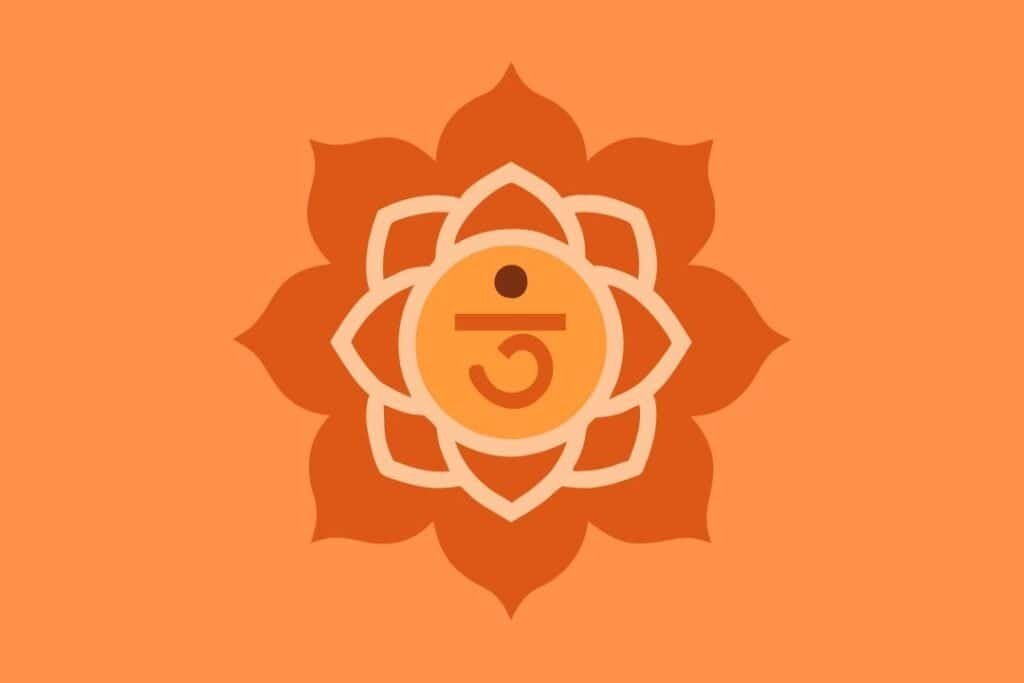
Sacral Chakra (Svadhisthana) – Orange Chakra Meaning
The chakra orange in color, governs creativity, sensuality, and pleasure. Located below the navel, it represents flow and emotional expression. In Ayurveda, it’s linked with Kapha’s water element — stability and nourishment. It also connects to reproductive health and emotional fulfillment.
- Balanced: Joyful creativity, healthy relationships, balanced emotions.
- Blocked: Guilt, low libido, emotional numbness.
- Overactive: Overindulgence, obsession, or mood swings.
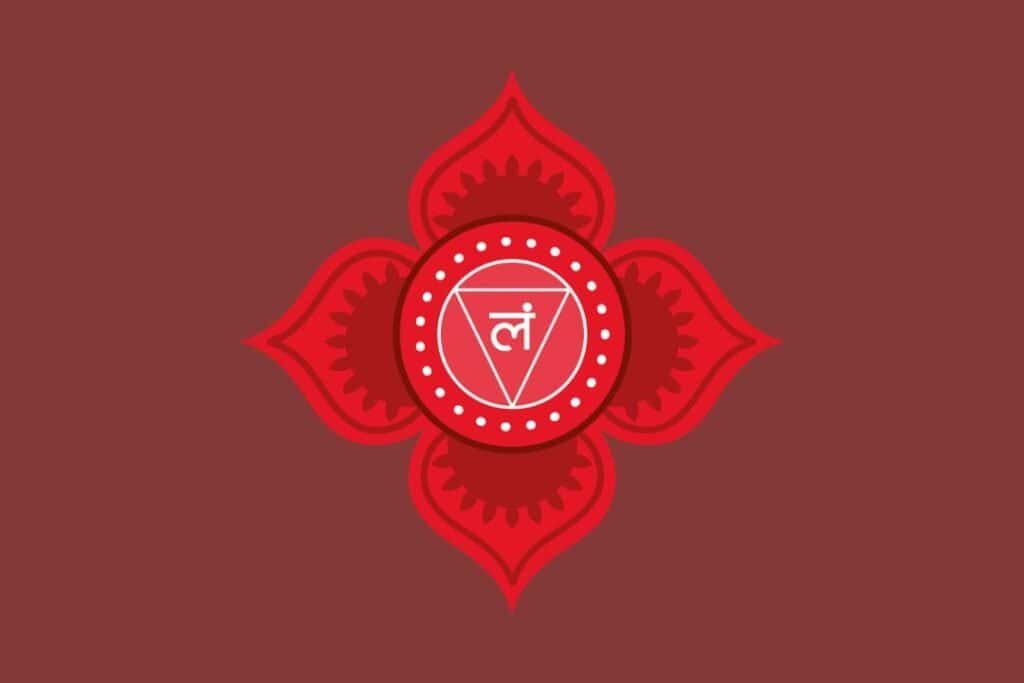
Root Chakra (Muladhara) – Red Chakra Meaning
The root chakra, at the base of the spine, is associated with grounding, survival, and security. The color red represents strength and vitality. Of all chakras colours and their meanings, this is the most stabilizing, anchoring you to the physical world. In Ayurveda, it aligns with Kapha dosha, supporting structure and endurance.
- Balanced: Stability, security, and a sense of belonging.
- Blocked: Fear, anxiety, or financial instability.
- Overactive: Greed, attachment, or resistance to change.
Chakras in Yoga
In yoga, the chakras are seen as vital energy centers that bridge the physical and subtle bodies. They are not anatomical structures but energetic focal points where the nadis (energy channels) intersect, allowing prana—life force—to circulate throughout the body. Each of the seven chakras corresponds to specific aspects of human experience: survival, creativity, power, love, communication, intuition, and spiritual awareness. When these centers are open and aligned, prana flows freely, promoting harmony between body, mind, and spirit.
Yogic philosophy teaches that the ultimate goal of practice is to awaken and balance the chakras, allowing energy to rise from the root chakra (Muladhara) up to the crown chakra (Sahasrara). This upward journey of energy is called Kundalini Shakti, the dormant spiritual energy said to reside at the base of the spine. Through consistent practice of asana (posture), pranayama (breath control), and dhyana (meditation), this energy ascends through the central energy channel (sushumna nadi), illuminating each chakra along the way. When it reaches the crown, it brings about a state of enlightenment and unity consciousness.
Chakras and Yoga posture
Each yoga posture is linked to a chakra through its physical, emotional, and energetic effects. For example:
- Root Chakra (Muladhara) – Strengthened by grounding poses like Tadasana (Mountain Pose) and Malasana (Garland Pose), which cultivate stability and security.
- Sacral Chakra (Svadhisthana) – Opened by hip-opening poses such as Baddha Konasana (Bound Angle Pose), enhancing creativity and emotional flow.
- Solar Plexus Chakra (Manipura) – Activated by core-strengthening poses like Navasana (Boat Pose), promoting confidence and inner power.
- Heart Chakra (Anahata) – Expanded through backbends like Ustrasana (Camel Pose), encouraging compassion and love.
- Throat Chakra (Vishuddha) – Balanced by poses that stretch the neck and shoulders, like Matsyasana (Fish Pose), aiding communication and truth.
- Third Eye Chakra (Ajna) – Stimulated by inward-focused poses such as Balasana (Child’s Pose) and Shavasana (Corpse Pose), enhancing intuition.
- Crown Chakra (Sahasrara) – Nourished through meditation and inversions, like Sirsasana (Headstand), connecting the practitioner to higher consciousness.
Breathwork’s role
Breathwork (pranayama) plays an equally important role. Practices such as Nadi Shodhana (alternate nostril breathing) purify and balance the flow of prana through the nadis, harmonizing the chakras. Chanting mantras, specific sound vibrations associated with each chakr also helps to clear energetic blockages. For instance, “LAM” resonates with the root chakra, while “OM” harmonizes the crown.
Chakras and Ayurveda
In Ayurveda, the chakras mirror the energetic flow of the doshas. Vata (air and ether) dominates the heart chakra, throat chakra third eye chakra, and crown chakra, influencing communication and creativity. Pitta (fire and water) fuels the solar plexus, transforming food, thought, and emotion into energy. Kapha (water and earth) anchors the chakra sacral and root chakra, providing stability and emotional nourishment.
Balancing the chakras through diet, herbs, yoga, and daily routine helps regulate the doshas, allowing prana to flow freely through the nadis. For instance, calming practices support Vata in the upper chakras, cooling rituals balance fiery Pitta in the middle, and stimulating movement pacifies Kapha in the lower centers.
FAQs about Chakras Meaning and Colors
What are the main colors of the chakras?
The seven colors of the chakras from root to crown are red, orange, yellow, green, blue, indigo, and violet — each corresponding to a specific vibration and energy center.
How do chakras relate to Ayurveda?
Each chakra aligns with one or more doshas. Vata governs the upper chakras, Pitta the center, and Kapha the lower. Together, they influence physical health and emotional balance.
Can yoga balance my chakras?
Yes. The chakras in yoga are directly influenced by specific poses, breathwork, and meditation practices that activate or calm the energy flow.
Which chakra is green?
The chakras green is the heart chakra (Anahata), symbolizing compassion, balance, and love.
Which chakra is orange?
The chakra orange is the sacral chakra (Svadhisthana), associated with creativity, sensuality, and pleasure.